
🔍 Read the full analysis: The Aperitivo Hour: How Italians Turn Early Evening Into An Institution on Mad Tasting

Get coffee and tea gear delivered free with Prime
- Fast, free delivery on millions of items
- Prime Video, Amazon Music and more included
- Member-only deals all year
TL;DR
The aperitivo hour is a cherished Italian tradition where people enjoy low-alcohol drinks with complimentary snacks between 6-8 PM. It serves as a social bridge between work and dinner, rooted in history and regional customs. This article explains its origins, regional variations, and how to experience it authentically.
Every evening across Italy, from Milan to Venice, the streets and bars fill with people participating in aperitivo, a traditional pre-dinner ritual that combines drinks with complimentary small bites. This social custom, which occurs roughly between 6:00 and 8:00 PM, is more than just a drink; it marks the transition from work to evening leisure and has deep historical roots. For a detailed look at how Italians turn early evening into an institution, see the original analysis.
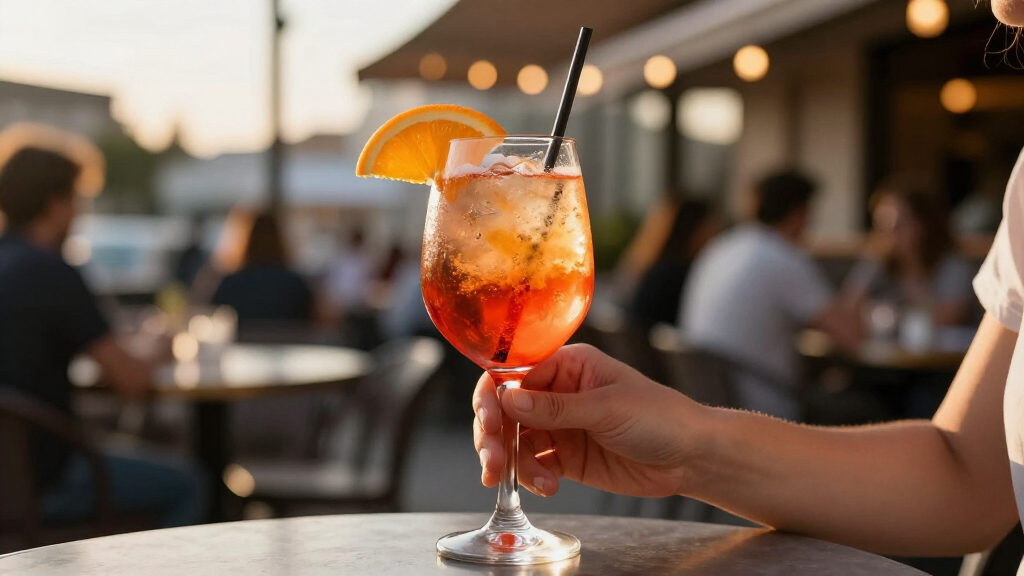
The aperitivo is characterized by a low-alcohol, bitter drink—such as an Aperol Spritz, Campari Soda, or vermouth—accompanied by a selection of snacks known as stuzzichini. Unlike happy hour, aperitivo is not about discounts but about savoring a moment of relaxation and social connection. To learn more about this Italian tradition, see the original analysis. The tradition originated in 18th-century Turin with herbal wines linked to the House of Savoy and the invention of vermouth, later spreading to Milan with Campari in 1860 and throughout northern Italy by the early 20th century.
Today, the practice varies regionally: Venetians favor bitter Select or Aperol, Milanese prefer Campari and Negroni, while Turinese often order vermouth neat. The drinks are deliberately low in alcohol—around 8-11% ABV—encouraging moderation and conversation. The complimentary snacks range from olives and chips to full buffets in some bars, but the etiquette emphasizes moderation: the aperitivo is a social pause, not a meal.
The Aperitivo Hour: How Italians Turn Early Evening Into an Institution
Between 6 and 8 PM, bars across Italy fill with people sipping low-alcohol bitter drinks and complimentary stuzzichini. More than a drink, aperitivo is a social bridge between work and dinner — rooted in 18th-century history and shaped by regional pride.
A Key Italian Cultural Tradition
Aperitivo embodies Italy’s emphasis on social life, regional identity, and the appreciation of leisure. It provides a structured yet relaxed space to unwind, connect, and transition smoothly into the evening — offering tourists and locals alike a window into Italian daily life.
Work → Evening
A deliberate pause marking the shift from the working day to evening leisure. It is about savoring a moment, not chasing discounts.
Nothing Is Discounted
Unlike happy hour, aperitivo isn’t about price cuts. One drink arrives with food: olives, focaccia, cured meats — sometimes an entire buffet.
A Pause, Not a Meal
Snacks range from olives and chips to full buffets, but the custom emphasizes moderation — aperitivo is a social pause, never a dinner substitute.
From Herbal Wines to National Ritual
The origins trace back to 18th-century Turin, where herbal wines linked to the House of Savoy gained favor among aristocrats and medicinal practitioners. The tradition spread through northern Italy and southward after World War II.
18th Century
Herbal medicinal wines flourish in Turin under the House of Savoy.
1786
Carpano invents vermouth, transforming herbal wines into a fashionable daily drink.
1860
Campari begins in Milan, cementing the city’s bitter-drink identity.
Early 1900s
Northern cities establish aperitivo as a daily habit.
Post-WWII
The ritual spreads southward, becoming a national institution.
Same Ritual, Different Glass
Regional differences now define the ritual — each city with its own preferred pour, local customs, and snack pairings.
| City | Signature Order | Character | Local Twist |
|---|---|---|---|
| Venice | Select, Aperol Spritz | Bitter & bubbly | Original spritz culture along the canals |
| Milan | Campari, Negroni | Bold & bitter | Negroni Sbagliato — invented by mistake at Bar Basso |
| Turin | Vermouth, served neat | Herbal & historic | The birthplace of vermouth, sipped straight |
| Rome | Negroni, craft spritzes | Modern & creative | Barkeeps riff on classics with local ingredients |
Deliberately Low, Deliberately Social
Aperitivo drinks are intentionally low in alcohol — encouraging moderation and conversation rather than intoxication.
What They’re Saying
Aperitivo is not happy hour. Nothing is discounted, and that’s the point. You buy one drink — usually €8 to €15 in a city bar — and it arrives with food: olives, focaccia, cured meats, sometimes an entire buffet.
— Mad TastingAsk for a Negroni Sbagliato — Campari, sweet vermouth, and spumante instead of gin — it’s a local twist invented by mistake at Bar Basso.
— Italian Bartender, MilanAperitivo, Answered
Is aperitivo the same everywhere in Italy?
No — regional variations shape the drinks and snacks. Venice favors bitter Select or Aperol, Milan prefers Campari, and Rome leans toward Negroni or craft spritzes.
How long does the aperitivo last?
Typically between 6:00 and 8:00 PM, serving as the transitional period from work to evening leisure. Exact timing varies by region and bar.
Can tourists participate authentically?
Yes — visit local bars during the designated hours, order regional drinks, stand at the counter, enjoy the snacks, and engage with locals.
Is aperitivo a full meal?
No. It is a light pre-dinner socializing period. While some bars offer buffets, it is not a substitute for dinner — moderation is advised.
What about dietary restrictions?
Ask staff directly — “contiene frutta a guscio?” (does it contain nuts?) — and specify your needs. Many bars are accommodating, but transparency helps.
Why the Aperitivo Hour Is a Key Italian Cultural Tradition
The aperitivo represents more than a beverage; it embodies Italy’s emphasis on social life, regional identity, and the appreciation of leisure time. It provides a structured yet relaxed space for people to unwind, connect, and transition smoothly into the evening. Its history reflects Italy’s culinary and social evolution, from herbal medicinal wines to a symbol of regional pride. For tourists and locals alike, participating authentically offers insight into Italian daily life and cultural values.
As an affiliate, we earn on qualifying purchases.
Historical Roots and Regional Variations of Aperitivo
The origins of aperitivo trace back to the 18th century in Turin, where herbal wines and vermouth gained popularity among aristocrats and medicinal practitioners. The invention of vermouth by Carpano in 1786 marked a turning point, transforming herbal wines into a fashionable daily drink. Milan’s association with Campari began in 1860, further shaping the tradition. By the early 20th century, northern cities had established aperitivo as a daily habit, which later spread southward after World War II. Regional differences now define the ritual: Venice favors bitter Select and Aperol, Milan prefers Campari, and Rome leans toward Negroni or craft spritzes, each with its own local customs and snack pairings.
“Aperitivo is not happy hour. Nothing is discounted, and that’s the point. You buy one drink — usually €8 to €15 in a city bar — and it arrives with food: olives, focaccia, cured meats, sometimes an entire buffet.”
— Mad Tasting
As an affiliate, we earn on qualifying purchases.
What Aspects of Aperitivo Practice Remain Unclear
While the core elements of aperitivo are well-established, details such as the precise regional origins of specific drinks, evolving snack offerings, and how modern trends influence traditional practices are still emerging. It is also unclear how younger generations are adapting the ritual in contemporary Italy, especially in urban settings with diverse influences.
As an affiliate, we earn on qualifying purchases.
Future Trends and Potential Changes in Aperitivo Culture
As Italy continues to modernize and attract international visitors, aperitivo may evolve with new regional twists and international influences. There is also potential for increased emphasis on sustainable practices, local ingredients, and health-conscious options. Observers expect the tradition to remain a vital part of Italian social life, even as it adapts to changing tastes and lifestyles.
As an affiliate, we earn on qualifying purchases.
Key Questions
Is aperitivo the same everywhere in Italy?
No, regional variations influence the type of drinks and snacks served. For example, Venice favors bitter Select or Aperol, Milan prefers Campari, and Rome often features Negroni or craft spritzes.
How long does the aperitivo last?
Typically, it occurs between 6:00 and 8:00 PM, serving as a transitional period from work to evening leisure. The exact timing can vary by region and bar.
Can tourists participate authentically?
Yes, tourists can enjoy aperitivo by visiting local bars during the designated hours, ordering regional drinks, and participating in the social customs—standing at the counter, enjoying the snacks, and engaging with locals.
Is aperitivo a full meal?
No, aperitivo is meant as a light pre-dinner socializing period. While some bars offer buffets, it is not a substitute for dinner, and moderation is advised.
What should I ask if I have dietary restrictions?
Ask staff directly, for example, ‘contiene frutta a guscio?’ (does it contain nuts?), and specify your needs. Many bars are accommodating but transparency is helpful.
Source: Mad Tasting
Halloween Picks
halloween
As an affiliate, we earn on qualifying purchases.