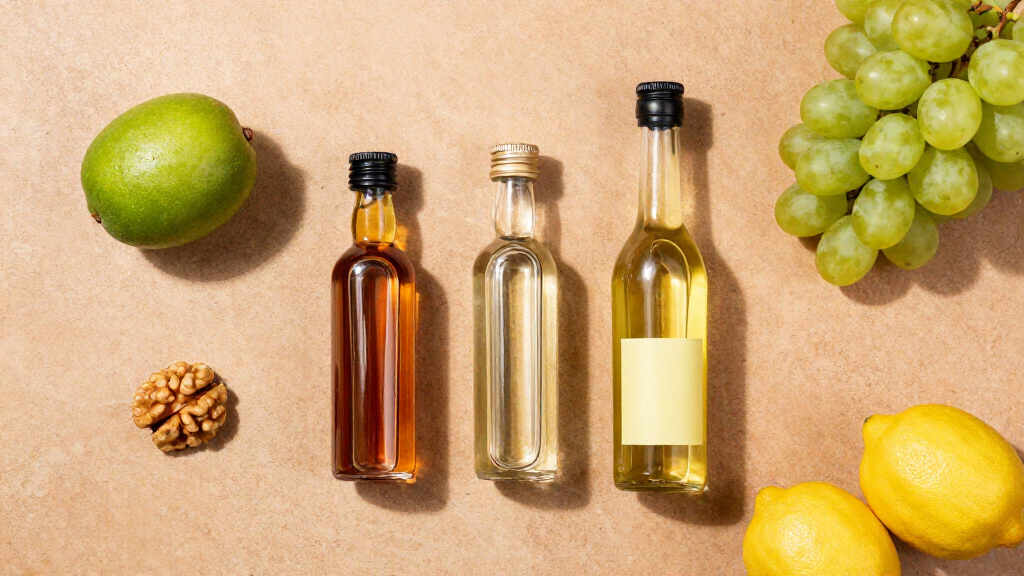

🔍 Read the full analysis: Nocino, Grappa, Limoncello: Italy's Homemade Liqueur Culture on Mad Tasting

Get coffee and tea gear delivered free with Prime
- Fast, free delivery on millions of items
- Prime Video, Amazon Music and more included
- Member-only deals all year
TL;DR
Nocino and limoncello are sweetened infusions, while grappa is distilled from grape pomace. Mad Tasting’s guide connects their traditions to seasonal ingredients and regional Italian foodways, and notes that making an infusion is not the same as distilling spirits.
A guide from Mad Tasting sets out how three familiar Italian after-dinner drinks differ: nocino and limoncello are sweetened infusions, while grappa is a distilled spirit made from grape pomace. The distinction matters for anyone choosing a bottle, trying a household recipe or considering how these drinks connect to regional food traditions.
According to Mad Tasting’s guide, nocino takes its dark, bittersweet character from green, unripe walnuts steeped in alcohol, usually with sugar and sometimes spices. The guide associates its tradition strongly with Emilia-Romagna. It describes gathering the walnuts while they are still soft enough to cut, a stage traditionally linked with St. John the Baptist’s feast day on June 24. The date is a seasonal marker, not a fixed deadline: local weather affects when the nuts are ready.
Mad Tasting describes limoncello as an infusion of alcohol with the yellow outer peel of lemons, followed by sweetening. The guide links the drink to Campania and the Amalfi Coast, where lemon aroma is a defining feature. It notes that recipes differ, including in sweetness and preparation, and does not provide a single standard formula or measurements.
The guide distinguishes grappa by its production process: it is distilled from grape pomace—skins, seeds and sometimes stems left after grapes are pressed for winemaking—and is associated with northern Italy’s wine regions. A grappa may be aged or flavored, but Mad Tasting distinguishes it from a sugar-sweetened infusion. The guide says homemade infusions can be prepared with food-grade alcohol and clean equipment, while grappa requires distillation and should come from a licensed producer.
Italian foodways · After-dinner traditions
Nocino, Grappa, Limoncello
Italy’s homemade liqueur culture is rooted in seasonal ingredients and regional habits. The key distinction: nocino and limoncello are sweetened infusions; grappa is distilled from grape pomace.
Walnut. Lemon peel. Grape pomace.
Know the process: steeping ingredients in food-grade alcohol is different from distilling spirits.
01 / The ingredients
Three drinks, different traditions
Each drink reflects a different ingredient and method. Regional associations are strong, but no drink belongs exclusively to one place.
Nocino
Green, unripe walnuts steep in alcohol, often with sugar and sometimes spices. Its character is dark, bittersweet and resinous.
Limoncello
Alcohol draws aroma from the yellow outer peel of lemons; the infusion is then sweetened. Recipes vary in sweetness and method.
Grappa
Distilled from grape pomace: skins, seeds and sometimes stems left after winemaking. The grape character leads.
02 / Process matters
Infusion is not distillation
The guide draws a clear line between household infusions and grappa’s production method.
Choose an ingredient
Tender walnuts for nocino; aromatic lemon peel for limoncello.
Steep, then sweeten
Food-grade alcohol extracts flavor. Sugar is added; recipes and resting times differ.
Distill pomace for grappa
Distillation is a different process. Choose grappa from a licensed producer.
03 / Compare the craft
What sets each bottle apart?
| Drink | Starting ingredient | Method | Typical character |
|---|---|---|---|
| Nocino | Green walnuts | ✓ Infusion | Dark, bittersweet; spices may vary |
| Limoncello | Yellow lemon peel | ✓ Infusion | Citrus aroma; sweetness varies |
| Grappa | Grape pomace | ✗ Distillation | Grape character; may be aged or flavored |
04 / Seasonal roots
Follow the ingredient, follow the season
These traditions connect a harvest or byproduct to local foodways and household recipes.
The walnut window
June 24, the feast day of St. John the Baptist, is a traditional seasonal marker for gathering walnuts. Local weather shifts the timing; the useful test is whether a nut is still soft enough to cut before its shell hardens.
05 / At the table
Serving customs are suggestions, not rules
Mad Tasting offers pairing ideas as examples of household practice. A small after-meal drink is a hospitality custom; “digestivo” is not evidence that alcohol improves digestion.
Limoncello
Suggested after seafood, especially on a warm evening.
Nocino
Suggested alongside dark chocolate, or enjoyed in winter.
Grappa
Choose a small glass when the aim is to foreground grape character.
06 / Choosing or making a bottle
Keep the craft—and the safety—clear
For homemade infusions
Use food-grade alcohol and clean equipment; follow a reliable recipe and local food-safety guidance. Label the bottle with its date and ingredients. Tell guests that nocino contains walnuts, a tree-nut allergen. Keep alcohol away from children and serve only to adults; drink responsibly.
For grappa
Grappa requires distillation, which is distinct from steeping fruit or nuts in alcohol. The guide recommends choosing grappa from a licensed producer, rather than attempting home distillation.
From place to pour
07 / Key questions
Quick answers for curious drinkers
How do the three drinks differ?
Nocino is a walnut infusion and limoncello a lemon-peel infusion; both are typically sweetened. Grappa is distilled from grape pomace.
When are walnuts gathered for nocino?
June 24 is a traditional marker in Emilia-Romagna. Weather varies; walnuts should still be soft enough to cut.
Can grappa be made like limoncello?
No. Grappa is distilled, not infused. The guide recommends buying it from a licensed producer.
Does “digestivo” mean alcohol aids digestion?
No. It names an after-meal drinking custom, not proof of a health benefit.
Three Drinks, Different Traditions
Mad Tasting’s guide presents the differences as practical as well as cultural. Infusion and distillation are separate processes, and it cautions against treating grappa as a home infusion. For readers planning a meal, the guide says the ingredients and sweetness can help guide serving choices: it suggests chilled limoncello after seafood, nocino alongside dark chocolate, and a small glass of grappa when the aim is to foreground grape character.
The guide also connects the drinks to the places and seasons behind them. Nocino depends on a brief period when walnuts are still tender; limoncello draws its aroma from lemon peel; grappa makes use of material left over from winemaking. It presents these connections as expressions of regional ingredients and household habits, rather than as a single national recipe.
Mad Tasting describes offering a small drink after a meal as a gesture of hospitality. It also clarifies that digestivo describes an after-meal drinking custom, not evidence that alcohol improves digestion. That distinction helps separate food culture from health claims.
Products Worth Considering
Vitamix Ascent X3 Professional-Grade Blender, 3 Programs, Shadow Black

Vitamix Propel Series 510 Professional-Grade Blender, 3 Programs, Black

Vitamix 5200 Professional-Grade Blender, 64 oz. Container, Black
As an affiliate, we earn on qualifying purchases.
Seasonal Roots of Italian Drinks
Mad Tasting presents homemade liqueurs as part of a broad Italian practice of making drinks from seasonal ingredients and sharing them at the table. Its guide links green-walnut nocino particularly with Emilia-Romagna, lemon-based limoncello with Campania, and grappa with northern wine-producing areas. These are regional associations, not claims that each drink is made only in one place.
For nocino, the guide says the traditional June 24 reference offers a way to remember the walnut harvest, but the useful test is whether a nut can still be cut before its shell hardens. It notes that family recipes vary: some add cinnamon, cloves, lemon peel or nutmeg; others emphasize the walnut’s bitter, resinous flavor. The guide says nocino often steeps for weeks or months and then rests before serving, allowing its flavors to settle.
Mad Tasting gives serving habits as examples rather than universal rules: a host might choose a chilled lemon liqueur on a warm evening or a walnut drink in winter. Grappa, by contrast, is presented as a small pour in which the grape character leads.
Recipes and Regional Timing Vary
Mad Tasting’s source does not identify a specific new policy, event or change in production; it is a guide to established drinks and customs. It supplies no publication date, named expert interviews, market figures or detailed recipe quantities, so those details cannot be independently assessed from the material provided.
The guide notes that walnut readiness varies with local conditions and that household recipes differ in spices, sweetness and resting times. It does not specify alcohol strengths or storage periods for homemade infusions. Readers should not treat its general description as a substitute for a tested recipe or local food-safety guidance.
Choosing or Making a Bottle
For a home infusion, Mad Tasting advises using food-grade alcohol and clean equipment, following a reliable recipe, and labeling the bottle with its date and ingredients. The guide says anyone serving nocino should tell guests it contains walnuts, which are a tree-nut allergen. Keep alcohol away from children and serve it only to adults; drink responsibly.
For grappa, the guidance is different: Mad Tasting says that because it requires distillation, people should choose a product from a licensed producer rather than attempt home distillation. For nocino, the guide advises checking whether walnuts are soft enough to cut instead of relying solely on the traditional June 24 date. No upcoming event or further development is identified in the source.
Key Questions
How do nocino, limoncello and grappa differ?
Mad Tasting’s guide describes nocino as a walnut infusion and limoncello as a lemon-peel infusion; both are typically sweetened. It describes grappa as distilled from grape pomace, not as a sweetened infusion.
When are walnuts gathered for nocino?
According to the guide, the harvest in Emilia-Romagna is traditionally associated with June 24, but weather changes the timing. The practical sign it gives is a walnut still soft enough to cut before its shell hardens.
Can grappa be made at home like limoncello?
No. Mad Tasting distinguishes an alcohol infusion from distillation and says grappa should come from a licensed producer. For homemade infusions, it recommends food-grade alcohol and clean equipment.
What foods are suggested with these drinks?
Mad Tasting’s guide suggests chilled limoncello after seafood, nocino with dark chocolate, and a small pour of grappa when the grape character is the focus. It notes that serving customs vary by household.
Does digestivo mean alcohol helps digestion?
No. The guide uses digestivo to refer to the custom of serving a drink after a meal. It does not present that custom as proof that alcohol aids digestion.
Source: Mad Tasting