
TL;DR

Get coffee and tea gear delivered free with Prime
- Fast, free delivery on millions of items
- Prime Video, Amazon Music and more included
- Member-only deals all year
A report posted Oct. 20 describes how Kanesa Katsuobushi Shoten in Nishi-Izu makes katsuobushi using a hand-fired smoking method. The process includes boiling and repeatedly smoking bonito, then treating it with koji mold and sun-drying it for more than six months.
A report published Oct. 20 documents how Kanesa Katsuobushi Shoten, a workshop in Nishi-Izu, Japan, makes katsuobushi through repeated smoking, mold fermentation and months of drying. The account follows fifth-generation craftsman Yasuhisa Serizawa using a hand-fired technique that the workshop says dates back roughly 300 years, offering a view of a labor-intensive food-making practice maintained by only a small number of producers.
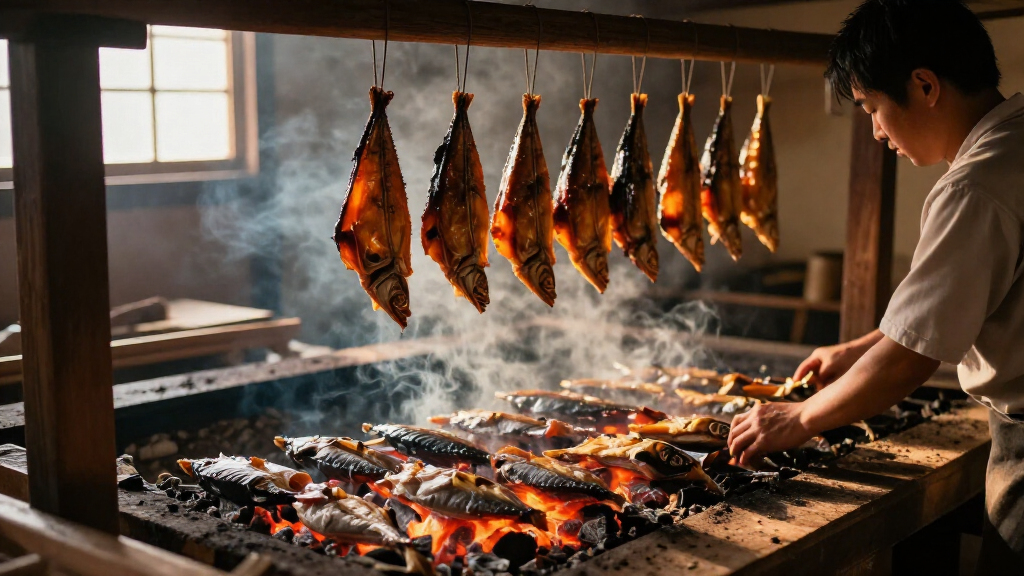
The report says the process begins with fresh bonito, which is filleted and boiled for about 90 minutes. The fish is then smoked and dried more than 10 times over a wood fire tended by hand. The source describes the traditional approach as the tebiyama method, used at the workshop in Nishi-Izu.
After smoking, the fish is repaired with bonito paste, treated with koji mold and repeatedly dried in the sun. The full process takes more than half a year, according to the report. The finished pieces are described as hard as wood; the report also notes their polished appearance.
Kanesa Katsuobushi Shoten says its method uses a vertical pit about 2 meters deep, with firewood burned at the bottom to smoke and dry the bonito. The workshop lists local woods including oak, sawtooth oak and cherry. Its explanation of the method was provided in a Google translation, so some wording may not reflect the original Japanese precisely.
Why the Slow Smoking Process Matters
The account shows how a traditional production method differs from a quick drying or industrial process: it relies on repeated exposure to smoke, careful tending of a wood fire, mold treatment and a long drying period. For readers, the process helps explain why katsuobushi is sold as a firm, concentrated ingredient that is shaved for use in Japanese cooking rather than eaten like fresh fish.
The method also highlights the role of individual craft knowledge in food production. Serizawa is identified as a fifth-generation craftsman, while the workshop says only a few producers in Japan continue to use the tebiyama approach. That makes the report relevant to people interested in food traditions and how they are sustained, though it does not establish how many workshops still use the method or how much katsuobushi is made this way.
Japanese katsuobushi dried bonito flakes
As an affiliate, we earn on qualifying purchases.
As an affiliate, we earn on qualifying purchases.
A Workshop With Edo-Period Roots
Kanesa Katsuobushi Shoten was founded in 1882, according to the report. The workshop places its smoking practice in the Tago district of West Izu and says the method has been used there for about 300 years, dating to the Edo period. The report separately describes the technique as roughly 200 years old, so the exact age is presented differently in the source material.
The workshop describes tebiyama as an old smoking method in which firewood burns in a deep pit and open-flame heat smokes the bonito. It says the technique produces rich flavor by smoking the fish surface at high temperature and “locking in the umami.” That flavor explanation is the workshop’s account of its own process, not an independently tested finding in the report.
“The method involves digging a vertical hole about 2 meters deep, burning firewood from the bottom, and smoking and drying the bonito with the heat of an open flame.”
— Kanesa Katsuobushi Shoten
whole dried katsuobushi bonito block
As an affiliate, we earn on qualifying purchases.
As an affiliate, we earn on qualifying purchases.
What the Report Does Not Establish
The report does not provide production figures, details about how much of the workshop’s output is made using this method, or a count of the Japanese producers that still use tebiyama. The claim that only a few workshops continue the practice comes from the source account and the workshop description; no independent survey is cited.
The source also gives differing estimates for the method’s age: about 200 years in the report’s introduction and roughly 300 years in the workshop’s translated explanation. The original Japanese wording and a precise historical date are not supplied. No independent taste or nutritional comparisons with other production methods are included.
Japanese katsuobushi shaving tool kezuriki
As an affiliate, we earn on qualifying purchases.
As an affiliate, we earn on qualifying purchases.
Where Readers Can See the Process
The report points readers to a video showing the process and to Kanesa Katsuobushi Shoten’s website for the workshop’s own information. It does not announce a new production milestone or a scheduled next development. Further details about the method, including the workshop’s current output and how it trains future craftspeople, would need to come from the producer or additional reporting.
As an affiliate, we earn on qualifying purchases.
Key Questions
What is katsuobushi?
Katsuobushi is dried bonito. In the process described in the report, the fish is boiled, smoked repeatedly, treated with koji mold and dried for months.
How long does this method take?
The report says production takes more than half a year, including repeated smoking, mold treatment and sun-drying.
What is the tebiyama method?
It is the workshop’s name for a hand-fired smoking approach using a deep vertical pit. Firewood burns at the bottom, and its heat and smoke dry the bonito.
Who makes the katsuobushi at Kanesa?
The report identifies Yasuhisa Serizawa as a fifth-generation craftsman at Kanesa Katsuobushi Shoten, founded in 1882.
Source: hn
Halloween Picks
halloween
As an affiliate, we earn on qualifying purchases.