
TL;DR

Get coffee and tea gear delivered free with Prime
- Fast, free delivery on millions of items
- Prime Video, Amazon Music and more included
- Member-only deals all year
A registered dietitian writing for Good Housekeeping has highlighted canned pumpkin as a versatile pantry food, citing its beta-carotene, fiber and potassium. The report advises shoppers to choose plain pumpkin puree rather than sweetened pumpkin pie filling; its nutrition claims and serving guidance are based on the article, not a new study.
A registered dietitian and director of the Good Housekeeping Institute Nutrition Lab is recommending canned pumpkin as a convenient pantry food, pointing to its beta-carotene, fiber and potassium. The report says a half-cup serving provides 100% of the daily value for vitamin A, while advising consumers to check labels because pumpkin pie filling is not the same product as plain pumpkin puree.
The report describes canned pumpkin as an affordable, naturally low-calorie ingredient that can be used beyond seasonal baking. It says pumpkin is rich in beta-carotene, which the body converts into vitamin A. Vitamin A supports vision and immune function, according to the report, which attributes the nutrient information to the dietitian’s guidance. The supplied source does not name a separate scientific study or provide a citation for the daily-value figure.
It also identifies pumpkin as a source of fiber and potassium. Fiber supports digestion and can contribute to fullness, while potassium plays a role in blood pressure, muscle function and fluid balance. The article notes that canned pumpkin is generally processed shortly after harvest, and says consumers do not need to roast and puree fresh pumpkin to use the ingredient.
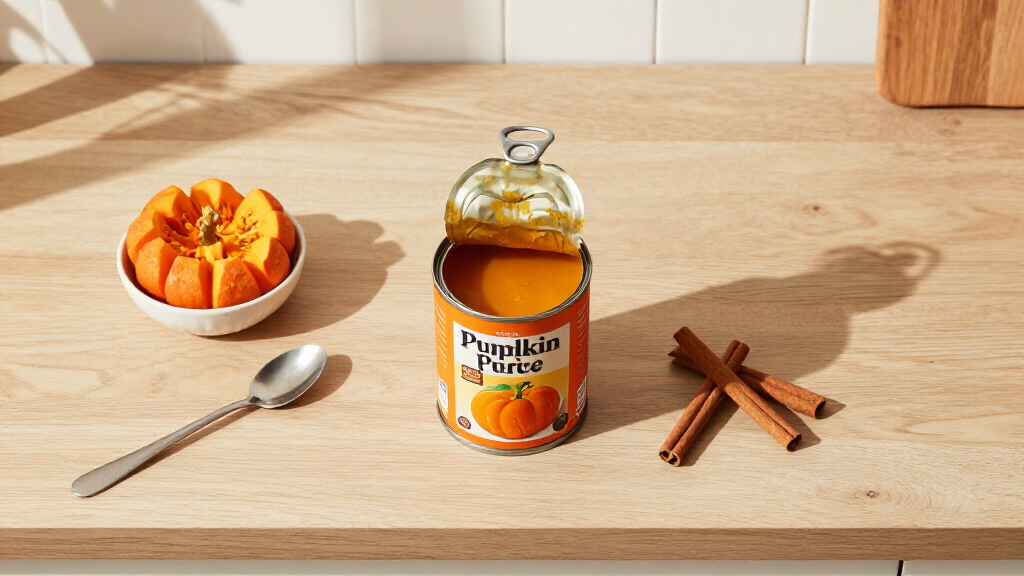
The dietitian recommends buying 100% pure pumpkin puree, checking that pumpkin is the sole ingredient, and not confusing it with pumpkin pie filling, which may contain added sugar, sweeteners, fillers and spices. Suggested uses include smoothies, oatmeal, yogurt, soups, salad dressing and sauces, as well as baked goods. Leftovers can be refrigerated in an airtight container for three to four days or frozen in portions, according to the report.
A Pantry Staple Beyond Pie
The report’s practical point is that pumpkin can be added to everyday meals without requiring fresh produce preparation. Its mild flavor and creamy texture make it suitable for both sweet and savory dishes, which may help readers use a can across multiple meals rather than treating it as an ingredient reserved for holiday desserts.
The label distinction matters for shoppers seeking the nutrition described in the article. Plain puree and pie filling can look similar on a shelf, but the latter may include added ingredients. Checking the ingredient list offers a straightforward way to tell them apart. The article also suggests looking for a BPA-free can when available, but it does not compare packaging options or explain the potential health effects of can linings.
These are food-use recommendations, not evidence that pumpkin treats or prevents disease. The supplied material presents general nutrition information and the dietitian’s assessment; it does not report clinical research, a formal dietary guideline or a new scientific finding.
Products Worth Considering

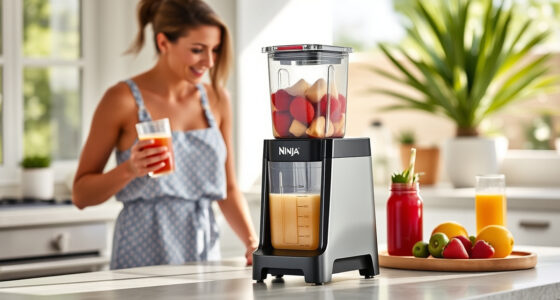
Vitamix 64 oz Low-Profile Blender Container with SELF-DETECT, BPA-Free

Vitamix Touch & Go Advance 32-Ounce Bar Blender, White

Vitamix Propel Series 510 Professional-Grade Blender, Black
As an affiliate, we earn on qualifying purchases.
How to Choose and Store Pumpkin
The Good Housekeeping report frames canned pumpkin as a fall-season purchase with year-round uses. It emphasizes convenience: consumers can add puree directly to foods instead of preparing a whole pumpkin. Its recipe ideas range from breakfast foods such as oats and smoothies to soups, vinaigrettes and macaroni and cheese.
For storage, the report says opened puree should be transferred to an airtight container and refrigerated for three to four days. It can also be frozen in small portions or ice cube trays, then moved to a freezer bag for later use. These instructions apply to leftover puree; readers should follow any product-specific directions on the can and use safe food-handling practices.
“I consider canned pumpkin one of my favorite antioxidant-rich pantry staples.”
— The registered dietitian and director of the Good Housekeeping Institute Nutrition Lab, as quoted in the report
Evidence Behind the Nutrition Figures
The supplied report does not cite the database, product sample or research source behind its vitamin A daily-value figure, and it does not specify whether nutrient levels vary among brands or processing methods. It also does not quantify the fiber or potassium in a particular serving. The claims should be read as the article’s nutrition guidance, not as independently verified results from a study described in the source.
The source does not identify a specific can brand, compare canned pumpkin with fresh pumpkin, or provide evidence that the ingredient has effects beyond the general roles it describes for its nutrients. It is also not clear from the supplied text when the report was published.
Ways to Use the Opened Can
The report does not announce a follow-up study or product development. Its practical next step for readers is to check the label for plain pumpkin puree, then use it in meals such as oatmeal, smoothies, soups or sauces. Any unused portion can be refrigerated for three to four days or frozen in small portions, following safe storage practices.
Readers seeking nutrition details for a particular product can check its label or consult a qualified health professional, especially if they need advice tailored to a medical condition or dietary requirement. The source provides general suggestions, not individualized nutrition care.
Key Questions
Is canned pumpkin the same as pumpkin pie filling?
No. The report says plain pumpkin puree contains pumpkin, while pie filling may include sugar, other sweeteners, fillers and spices. Check the ingredient list rather than relying only on the front label.
What nutrients does the report highlight?
It points to beta-carotene, fiber and potassium, and says the body converts beta-carotene into vitamin A. The article states that a half-cup serving provides 100% of the daily value for vitamin A; the supplied source does not give a citation for that figure.
How can I use canned pumpkin outside of baking?
The report suggests stirring it into oatmeal, yogurt, smoothies, soups, salad dressing and cheese sauce. It can also be used in pancakes, muffins and other baked goods.
How long can opened pumpkin puree be stored?
According to the report, refrigerate leftover puree in an airtight container for three to four days, or freeze it in small portions for later use. Follow the product label and safe food-handling practices.
Source: goodhousekeeping.com