TL;DR

Get coffee and tea gear delivered free with Prime
- Fast, free delivery on millions of items
- Prime Video, Amazon Music and more included
- Member-only deals all year
The moka pot brews concentrated coffee at 1–2 bar pressure, not espresso. Proper technique involves correct grind, water level, heat, and timing. This guide explains how Italians achieve their signature coffee ritual.
The moka pot remains a staple in Italian households, yet many outside Italy misunderstand how to use it properly. This guide confirms that the moka pot produces a distinct, full-bodied coffee at low pressure, not true espresso, and provides step-by-step instructions to perfect the ritual.
The moka pot operates at approximately 1–2 bar of pressure, significantly lower than the 9 bars used by espresso machines. It forces steam through coffee grounds to produce a concentrated brew called caffè della moka, characterized by its full flavor and gentle sweetness. Proper use involves filling the water chamber just below the safety valve, using a medium-fine grind, and avoiding tamping the grounds. The brewing process should be conducted over medium-low heat, with the pot removed before the gurgling sound to prevent bitterness. Italians typically brew the full capacity of the pot, which yields a small, intense coffee serving, not a mug-sized drink.
Many mistakes stem from treating the moka as a budget espresso machine—using too fine a grind, high heat, or overfilling the grounds—resulting in scorched, bitter coffee. For a detailed guide, see this article on the proper moka pot ritual.
Why Proper Moka Pot Technique Matters
Correctly brewing with a moka pot preserves its cultural significance and ensures a more flavorful, balanced coffee. Misuse often leads to bitter, weak, or burnt-tasting results, discouraging many from appreciating its true potential. For millions of Italians, the moka is more than a coffee maker; it’s a daily ritual that connects them to their heritage. Outside Italy, understanding this method can elevate the home coffee experience and dispel misconceptions that it’s just a cheap substitute for espresso.
As an affiliate, we earn on qualifying purchases.
Historical and Cultural Background of the Moka Pot
The Moka Express was introduced by Alfonso Bialetti in 1933, revolutionizing Italian coffee culture. Its simple design and reliable function made it a household staple, with an estimated 90% of Italian homes owning one. Despite its popularity, many outside Italy mistakenly treat it as a budget espresso device, leading to poor results. Recent specialty-coffee movements have begun to emphasize the moka’s unique brewing method, which differs fundamentally from espresso in pressure, grind, and extraction process. Proper technique has remained consistent since its invention, emphasizing gentle heat, correct grind size, and full capacity brewing.
“The moka pot brews strong stovetop coffee at roughly 1–2 bar of pressure — far below the 9 bar of true espresso — so treat it as its own method, not a cheap espresso machine.”
— Mad Tasting
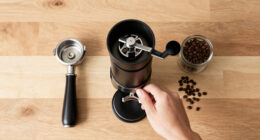
medium-fine coffee grind for moka pot
As an affiliate, we earn on qualifying purchases.
As an affiliate, we earn on qualifying purchases.
Remaining Questions About Moka Pot Mastery
While the basic steps are well-established, individual stove types, pot sizes, and personal preferences can influence results. There is ongoing debate about optimal grind fineness and timing, especially for different brands and models. Additionally, some users wonder about the best cleaning practices to maintain flavor and performance over decades. More empirical research on temperature control and pressure variation could further refine best practices, but current guidelines remain effective for most home brewers.
As an affiliate, we earn on qualifying purchases.
Future Developments in Moka Coffee Brewing
As interest in traditional and artisanal coffee grows, expect further refinement of moka brewing techniques, including better understanding of heat management and grind adjustments. New accessories or modifications aimed at controlling temperature or pressure may emerge, but the core principles—using the right grind, water level, and timing—will likely stay consistent. Home baristas and coffee enthusiasts will continue to share tips and innovations, deepening appreciation for this iconic Italian ritual.
As an affiliate, we earn on qualifying purchases.
Key Questions
Can I use pre-ground coffee for my moka pot?
Yes, but ensure it is labeled for moka or has a medium-fine grind similar to sand. Using the correct grind size is crucial for avoiding bitterness or weak extraction.
How do I prevent my moka coffee from tasting burnt?
Use medium-low heat, avoid overfilling the water, and remove the pot before the gurgling sound. Proper timing and heat control are essential to prevent scorching.
Is it necessary to tamp the coffee grounds?
No, tamping is not recommended. Loosely filling the basket ensures proper water flow and prevents clogging or leaks.
How often should I clean my moka pot?
Regularly rinse the parts with warm water after each use. Avoid using soap or abrasive cleaners that can affect flavor. Deep cleaning with vinegar or citric acid can be done periodically.
Can I make espresso-style coffee with a moka pot?
No, the moka operates at much lower pressure than an espresso machine. Expect a strong, full-bodied coffee, but not true espresso with crema.
Source: Mad Tasting
Columbus Day / Indigenous Peoples' Day Picks
long weekend sales
As an affiliate, we earn on qualifying purchases.