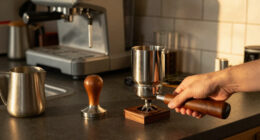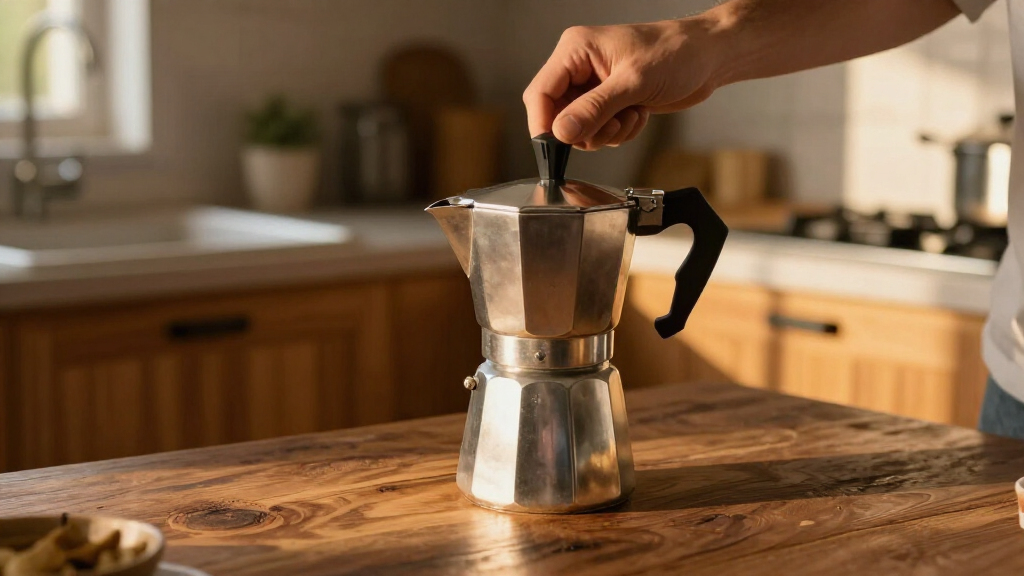

🔍 Read the full analysis: The Espresso Machine Question: Is It Time To Upgrade From The Moka? on Mad Tasting

Get coffee and tea gear delivered free with Prime
- Fast, free delivery on millions of items
- Prime Video, Amazon Music and more included
- Member-only deals all year
TL;DR
Many home coffee enthusiasts wonder if it’s time to switch from a moka pot to an espresso machine. This article explains the key differences, costs, and what to consider before upgrading, emphasizing that they produce different drinks. The decision depends on your taste preferences and willingness to invest in equipment and maintenance.
Home coffee enthusiasts are increasingly questioning whether it is time to upgrade from a traditional moka pot to a dedicated espresso machine. While the moka pot has long been a staple in Italian households for its simplicity and rich flavor, modern espresso machines offer different brewing capabilities that appeal to those seeking café-quality drinks at home. You can learn more about the original analysis of whether it’s time to upgrade. The decision to upgrade is not just about taste but involves understanding technical requirements, costs, and what each device actually produces. Consider reading about Ninja Luxe Café Pro Series for insights into different espresso options.
The moka pot brews concentrated coffee at approximately 1–2 bar of steam pressure, producing a strong, aromatic beverage that is closer to a rich filter coffee than true espresso. In contrast, an espresso machine operates at around 9 bar of pressure, with precise control over temperature, grind size, and extraction time to produce a shot with characteristic crema and syrupy texture. The fundamental difference lies in the brewing process: moka pots rely on steam pressure, while espresso machines use high-pressure water for extraction. For a detailed comparison, see Breville Bambino Plus vs. Lineup 2026.
Many home baristas consider the moka pot a low-cost, low-maintenance option that delivers a robust coffee flavor with minimal fuss. However, upgrading to an espresso machine involves significant investment—not only in the machine itself but also in a high-quality espresso grinder, which is critical for consistent results. An entry-level espresso setup often costs several hundred dollars, with grinders alone accounting for 40–60% of that budget. Additionally, maintaining an espresso machine requires regular cleaning, backflushing, and occasional repairs, making it a more involved process.
From a flavor perspective, moka coffee is rich, bold, and slightly bitter, often enjoyed with milk or hot water. Espresso, on the other hand, offers a more complex profile with a thicker crema, concentrated sweetness, and a different mouthfeel. For many consumers, the choice hinges on whether they prefer the intense, chocolatey depth of moka or the nuanced, layered flavors of true espresso. The upgrade decision should therefore be based on the desired coffee style, not just perceived quality.
Implications for Home Coffee Enthusiasts
The decision to upgrade from a moka pot to an espresso machine is significant because it affects the entire coffee experience. Moving to an espresso setup allows for a broader range of drinks, including lattes, cappuccinos, and macchiatos, especially if paired with a steam wand. However, it also requires a larger financial investment, more space, and a commitment to learning the nuances of grind size, tamping, and machine maintenance. For casual drinkers content with strong, straightforward coffee, the moka remains a reliable and beloved choice.
For those seeking café-quality espresso at home, the upgrade offers control and versatility but demands patience, practice, and additional costs. The choice impacts not just the flavor but also the daily routine, kitchen setup, and ongoing expenses. Understanding these implications helps consumers make informed decisions aligned with their preferences and lifestyle.
As an affiliate, we earn on qualifying purchases.
The Evolution of Home Coffee Equipment
The moka pot was invented in 1933 by Alfonso Bialetti and became a staple in Italian households for its simplicity and affordability. It produces coffee by forcing steam through coffee grounds, creating a concentrated brew with distinctive strength and aroma. Over the decades, the rise of specialty coffee and café culture introduced the espresso machine as the standard for high-quality coffee preparation. Modern espresso machines, especially semi-automatic and automatic models, can precisely control brewing parameters, producing consistent, barista-quality shots.
In recent years, the home barista movement has grown, with consumers investing in high-end espresso machines and grinders to replicate café drinks. Meanwhile, the moka remains popular for its nostalgic value, ease of use, and the unique flavor profile it offers. The ongoing debate centers on whether the benefits of espresso machines justify the higher costs and complexity for the average home user.
Industry experts emphasize that moka and espresso are fundamentally different brewing methods producing different types of coffee. The choice depends on individual preferences, desired drink styles, and willingness to invest time and money into equipment and skills.
“The moka pot and an espresso machine are related the way a bicycle and a motorcycle are related. Both get you down the road. Both involve two wheels and balance. But the experience, the cost, and the maintenance schedule are completely different, and one does not prepare you for the other.”
— Mad Tasting
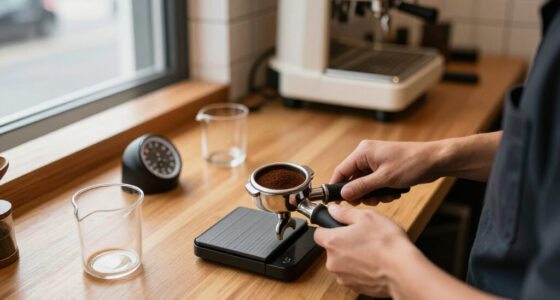
manual espresso grinder for home use
As an affiliate, we earn on qualifying purchases.
As an affiliate, we earn on qualifying purchases.
Unclear Signs and When to Make the Switch
It is not yet clear how many moka users are actually interested in upgrading, as many are satisfied with the flavor and simplicity of their current setup. The threshold at which a home user considers switching depends on personal taste preferences, willingness to learn new skills, and budget. Additionally, the market for entry-level espresso machines continues to evolve, with some models becoming more affordable and user-friendly, potentially lowering the barrier for new users.
It remains uncertain whether the trend toward home espresso will lead to a significant shift away from moka pots or if these devices will continue to coexist as complementary tools in home coffee routines. Consumer surveys and sales data are still emerging on this front.
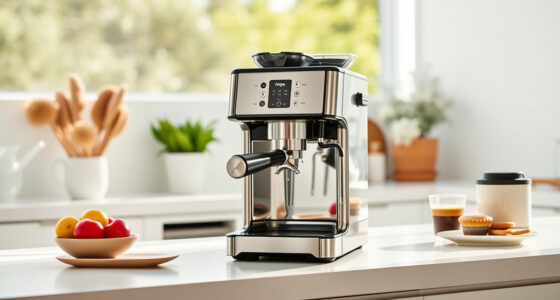
automatic espresso machine with milk frother
As an affiliate, we earn on qualifying purchases.
As an affiliate, we earn on qualifying purchases.
Next Steps for Coffee Enthusiasts Considering an Upgrade
Consumers contemplating an upgrade should evaluate their coffee preferences—whether they prioritize strong, straightforward coffee or enjoy experimenting with milk-based drinks and complex flavors. Investment in a quality grinder and learning the craft of espresso making are essential steps if they choose to proceed. Testing different equipment options, reading reviews, and perhaps trying out machines in-store can help determine the best fit.
Advancements in affordable espresso technology suggest that entry-level machines will become more accessible, but mastering the process remains key. For moka users happy with their current setup, maintaining their routine may be the best choice, while those seeking café-quality drinks will need to prepare for a learning curve and a bigger budget.
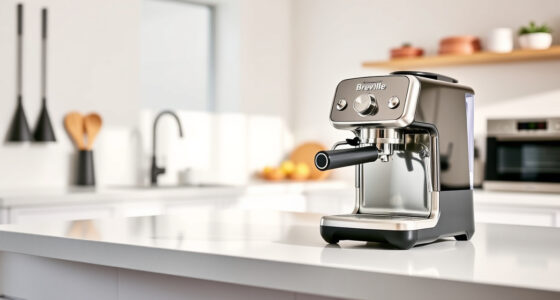
affordable espresso machine for beginners
As an affiliate, we earn on qualifying purchases.
As an affiliate, we earn on qualifying purchases.
Key Questions
Is upgrading from a moka pot to an espresso machine worth it?
It depends on your taste preferences and willingness to invest. If you want café-style espresso and milk drinks, an espresso machine offers more control and variety. If you prefer strong, simple coffee, the moka remains a reliable choice.
What additional equipment do I need to make espresso at home?
A high-quality burr grinder capable of fine, consistent grounds is essential. You will also need a tamper, a scale for dosing, and cleaning supplies. Budget for ongoing maintenance and quality beans.
Can I get good espresso with a beginner machine?
Yes, but results depend heavily on the grinder, technique, and patience. Entry-level machines are improving in affordability and ease of use, but mastering espresso still requires practice.
Are there affordable espresso machines suitable for beginners?
Several brands now offer budget-friendly models that include features like heat exchangers and built-in grinders. However, investing in a good grinder remains crucial for quality results.
Will I miss the flavor of my moka pot if I switch?
Many users find that moka and espresso produce different but equally enjoyable flavors. If you love the rich, aromatic profile of moka coffee, you might prefer to keep it as part of your routine alongside espresso drinks.
Source: Mad Tasting
Halloween Picks
halloween
As an affiliate, we earn on qualifying purchases.