
TL;DR
To host espresso for guests, prepare cups, water, coffee, and a small selection of add-ins before they arrive, then ask what each person would enjoy. Keep drinks simple, offer a non-coffee or decaf option, and let conversation matter more than perfect extraction.
A good coffee visit can be remembered for the warm welcome long after anyone forgets whether the espresso tasted a little sour. When friends arrive, your attention belongs with them, not trapped beside the grinder like a café timer is about to go off.

Get coffee and tea gear delivered free with Prime
- Fast, free delivery on millions of items
- Prime Video, Amazon Music and more included
- Member-only deals all year
Hosting espresso can be simple: prepare the counter, offer a few clear choices, and make drinks at a pace that suits the room. You’ll learn how to host with less fuss, what to offer when preferences differ, and how to stay present—even if your machine needs an extra minute.
Prepare cups, water, coffee, milk, and sweeteners before guests arrive.
Offer a short list: espresso, Americano, milk, or a drink of their choice.
Ask everyone’s preferences together to plan the order and reduce waiting.
Keep clean pitchers and clearly separated options for dairy and non-dairy drinks.
Offer decaf, tea, or water without making anyone explain a preference.
How to Host Espresso for Guests Without Becoming a Barista Robot
A welcoming coffee visit needs a little preparation, a few clear choices, and time for conversation. Make the drinks at a pace that suits the room.
Set up before the doorbell
Prepare the basics so you can stay present with your guests.
Put essentials within reach
Set out clean cups, water, familiar coffee, milk, and sweeteners before guests arrive.
Have a backup ready
Offer decaf, tea, or water so everyone has a comfortable option.
Offer a few simple choices
Ask everyone together before you start making drinks.
- Espresso: small and concentrated
- Americano: espresso with hot water
- Milk or sweetener on the side
- Ask about preferences first
- Keep dairy and non-dairy separate
- Use a clean pitcher for each option
Plan the round
Collecting orders and setting out cups in advance helps reduce avoidable waiting.
Find out who wants coffee and what each person would enjoy.
Straight espresso takes fewer steps than steaming and texturing milk.
Serve at a calm pace, then return your attention to the conversation.
Let the visit lead
Home machines vary in speed and consistency, and milk drinks can take longer.
Set Up Your Coffee Corner Before the Doorbell Rings
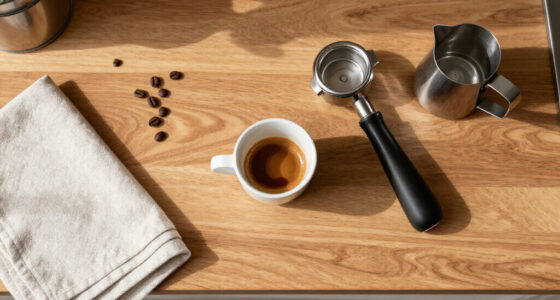
Hosting espresso is easier when the basic setup is ready before guests arrive: clean cups, drinking water, coffee, and any milk or sweetener you plan to offer. A clear counter acts like a small stage; when the props are in place, you can make a drink without hunting through cupboards mid-conversation. The point is not to anticipate every possible request. It is to remove the little interruptions that pull you away from your guests.
Use coffee you already know how to prepare. Espresso is concentrated coffee made by pushing hot water through finely ground coffee under pressure, and results depend on the beans, grind, dose, machine, and technique. That’s a lot of moving parts for a first attempt with an unfamiliar bag. If your usual beans give you a pleasant shot, familiarity is a hosting advantage: you have a better sense of how they behave, and less chance of troubleshooting while people wait. Trying something new can be fun when guests are interested, but it adds uncertainty to a moment when you may have other things to attend to.
Before company arrives, rinse the cups, fill the machine’s water tank, and put spoons, sugar, and milk within reach. Check that you have enough coffee for the people who actually drink it, rather than assuming everyone wants a second serving. For example, if four friends are coming over after lunch, ask about coffee when they arrive and make a round based on their answers. This keeps you from preparing drinks that go cold or making more than anyone wants, while still leaving room for a second round if the conversation calls for it.
- Set out cups and a small jug of water.
- Place add-ins together so guests can reach them easily.
- Keep a backup drink such as tea or decaf nearby.
This small reset makes the kitchen feel welcoming and gives you room to improvise. A good host doesn’t need a spotless café bar; you just need a setup that lets you turn back toward the people you invited.
Products Worth Considering
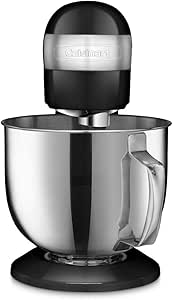
Cuisinart SM-50BK Stand Mixer, 5.5 Quart, 12 Speed, Onyx

Traeger Pro 22 Wood Pellet Grill & Smoker

KitchenAid Classic Series 4.5 Quart Tilt-Head Stand Mixer, Onyx Black
As an affiliate, we earn on qualifying purchases.
Espresso for guests works best when you offer a few understandable choices: a small espresso, an Americano with hot water, or coffee with milk. A short menu gives people a real choice without making them decode café vocabulary or leaving you responsible for a dozen custom recipes. It also helps you judge how long the round will take: a straight espresso is generally quicker to serve than a drink that needs steamed milk.
Ask everyone at once, “Would you like espresso, an Americano, milk in yours, or something else?” That phrasing is friendly and leaves space for a preference you didn’t predict. Someone may ask for hot water on the side, another may prefer a splash of milk, and a third may simply want tea. Asking before you begin lets you plan the order and avoid making a drink that needs to be remade.
Keep sweeteners and milk on the counter so guests can adjust their own cups. If you have dairy and one non-dairy option, label or clearly separate them, and use a clean spoon or pitcher for each. This makes the choice easier for guests and helps prevent one option from being mixed into another. Soy and oat drinks can foam differently from dairy milk. If you plan to steam one, choose a carton labeled for barista-style use and follow its heating instructions. Offering alternatives is considerate, though each extra option can mean extra handling and cleanup; one clearly presented non-dairy choice is often a useful balance.
For instance, you might tell a guest, “I can make an espresso or add hot water, and I have oat milk if you’d like it.” That’s enough to help them choose. The warm offer matters more than a perfectly named drink, and it makes guests feel included without turning the kitchen into a menu briefing.
- Espresso: small and concentrated.
- Americano: espresso topped with hot water.
- Milk or sweetener: offered on the side for easy adjustment.
Serve a Group Smoothly With One Simple Routine
To serve several people without a long wait, collect preferences together, prepare cups and add-ins in advance, then make the drinks in a calm sequence. Straight espresso has fewer steps than a milk drink, while steaming and texturing milk adds time; making several milk drinks one by one can create a queue around your machine. Knowing the orders first gives you a chance to group similar steps, but speed has a limit: most home machines still make drinks one at a time, so clear expectations matter as much as an efficient routine.
- Ask the group what they’d like before you start pulling shots.
- Set out cups and add-ins while guests choose.
- Make the simpler drinks first if your machine takes time to recover between shots.
- Steam milk carefully and use a clean pitcher for each guest’s preference.
- Bring drinks back to the group instead of staying at the machine to polish every detail.
Imagine three friends sitting around your table: one wants espresso, one wants an Americano, and one asks for oat milk. Taking orders first gives you a plan. You can make the straight shot, add hot water for the Americano, and then steam the oat drink. The sequence lets the quick drinks reach the table sooner while you handle the milk step. Everyone knows what’s happening, and nobody has to place a second order over the sound of the grinder.
If your machine is slow, say, “I’ll make a round; these may take a few minutes.” That honest, relaxed expectation is kinder than promising instant custom drinks. If the group gets chatting, you can serve at a natural pause. Hosting is a rhythm, not a race; a slightly staggered round is usually easier to enjoy than rushing and losing track of whose drink is whose.
Keep Your Attention on the Guests, Not the Extraction
Guests usually care more about being welcomed than hearing a running account of grind settings, pressure, or tasting notes. A brief explanation can be fun if someone asks, but you don’t need to narrate every step or apologize for a shot that isn’t identical to yesterday’s. Too much commentary can make a casual cup feel like a test the guest is expected to judge.
That’s especially true with home equipment. Machines vary in speed and consistency, and espresso changes with the coffee and grind. If a shot tastes sharper or more bitter than you expected, offer another drink without turning the visit into a troubleshooting session. For example: “This one came out a little sharp today—would you prefer it with hot water or milk?” That gives the guest a practical choice while keeping the focus on what they might enjoy, rather than asking them to reassure you about the result.
Keep cleanup light while you work. Emptying the portafilter and wiping the steam wand between drinks are useful habits, but a full teardown can wait until your friends leave. A quick wipe keeps the counter tidy; disappearing for ten minutes to scrub every part can make a cheerful gathering feel oddly abandoned. The tradeoff is simple: do enough to keep the next drink clean and the workspace usable, then save non-urgent cleaning for later.
Hospitality is the point. A drink made with attention and offered without pressure often feels better than a technically perfect cup served with no conversation.
Think of the machine as a helpful kitchen appliance, not the host of the gathering. Once you’ve served the cups, return to the table, listen to the story you were hearing, and let the coffee do its quiet work in the background.
Make Room for Decaf, Tea, and Guests Who Skip Coffee
A thoughtful coffee setup gives guests a comfortable way to decline caffeine or coffee altogether. Ask what they’d like instead of assuming everyone drinks espresso, and keep a practical alternative such as decaf, tea, water, or hot water ready to offer. This matters because a guest who declines coffee should not have to defend the choice or sit out while everyone else is served.
Evening visits are an easy time to keep decaf on hand. Label it clearly so it doesn’t get mixed up with regular coffee, and tell guests which is which before serving. Someone who avoids caffeine late in the day shouldn’t have to explain their choice or guess what landed in the cup. Decaf requires a little planning and separate handling, so if you don’t keep it at home, tea or water can still make a considerate alternative.
You can keep the backup simple: a few tea bags, a kettle, and a glass of water take little space. Imagine a friend saying, “I’ll pass on coffee tonight.” You can respond, “Of course—would you like tea or water?” The conversation moves on, and nobody feels singled out. Having two or three easy alternatives is usually enough; stocking many drinks adds work without making the welcome meaningfully warmer.
That flexibility also helps if your espresso machine is occupied or a shot isn’t to your taste. Filter coffee can work just as well as espresso for a relaxed visit, and you don’t need an expensive machine to be a good host. The best backup is the one you can serve comfortably with what you already have.
- Offer decaf when practical, especially for later visits.
- Keep tea or water available for anyone who doesn’t want coffee.
- Accept a decline warmly and move on without pressure.
Choose a Relaxed Setup That Fits Your Kitchen
The right hosting setup is the one you can use without losing the room. A manual machine may suit you if you enjoy making espresso, while a capsule or automatic machine can simplify service; filter coffee, tea, or a kettle can also make a perfectly generous welcome. Equipment is a convenience choice, not a measure of hospitality. Each option trades hands-on control for ease: choose the one that lets you stay comfortable and available to your guests.
Consider a Saturday brunch at home. If you’re already cooking eggs and toast, a machine with a demanding workflow may compete for your attention. A familiar filter brew or a simple espresso round may fit better. On a quiet afternoon when guests want to watch you make coffee, you might enjoy showing how the grinder changes the result. It depends on the visit and on what you enjoy.
Use this quick comparison to choose the approach that suits your space and energy:
| Setup | What works well | Good fit when |
|---|---|---|
| Manual espresso machine | Hands-on drinks and control | You enjoy the process and have time |
| Capsule or automatic machine | Simple, repeatable service | You want fewer steps during a group visit |
| Filter coffee or tea | Easy serving with little machine work | You want a low-pressure backup or a larger pot |
You can also be honest about your setup: “My machine makes one at a time, so this may take a few minutes.” A plain sentence sets expectations and keeps the mood light. There’s no need to build a café at home when a few cups and a welcoming table already do the job.
Frequently Asked Questions
How much coffee should I prepare per guest?
Ask what each person wants and make drinks to order; you don’t need to assume everyone wants a second cup. For a small group, have enough beans for the first round and decide on more if people ask.
What can I serve if I don’t know how to make espresso drinks?
Keep it simple with espresso, hot water for an Americano, and milk or sweetener on the side. If you’d rather not use the machine, offer filter coffee or tea with the same warm welcome.
How do I make milk drinks for guests with different preferences?
Ask before you start, use a clean pitcher, and keep dairy and non-dairy options separate. If you steam an alternative drink, check the carton’s instructions and consider one labeled for barista-style use.
Should I offer decaf?
Decaf is a considerate option, especially for evening visits, when some guests may avoid caffeine. Label it clearly so nobody confuses it with regular coffee.
What if a guest doesn’t drink coffee?
Offer tea, water, or another drink without making a fuss. A relaxed “Of course—what would you like instead?” lets the guest feel included without putting them on the spot.
What if my espresso tastes sour or bitter?
Coffee, grind, dose, and preparation can all change how a shot tastes. For casual hosting, offer hot water, milk, or another drink rather than turning the visit into an extended adjustment session.
Conclusion
Make the coffee easy to serve, ask what your guests enjoy, and let the visit set the pace. Familiar beans, clean cups, a few add-ins, and a backup drink are enough to make espresso for guests feel thoughtful.
When the cups are ready, leave the grinder behind and take your place at the table. The best part of the coffee is often the conversation around it.