
TL;DR

Get coffee and tea gear delivered free with Prime
- Fast, free delivery on millions of items
- Prime Video, Amazon Music and more included
- Member-only deals all year
Learning the core espresso setup terms helps you understand how each part influences your shot. Knowing what to focus on makes dialing in and troubleshooting much easier, even as a beginner.
Getting started with espresso at home can feel like learning a new language. The array of equipment, terms, and settings often leaves newcomers overwhelmed. But mastering a handful of key terms can turn that confusion into clarity, giving you control over your brewing process.
Think of it like learning the parts of a car before driving — knowing what each component does helps you fix problems and tune your ride. Here, you’ll learn the essential espresso setup terms every beginner should know, and how they impact your shot’s flavor, texture, and consistency.
Master basic parts like the portafilter, basket, and grinder to troubleshoot and improve shots.
Understanding dose, yield, and brew ratio helps you dial in flavors and consistency.
Machine features like PID and boiler type influence temperature stability and shot quality.
Adjust grind size and dose based on shot time and taste — don’t rely on flow time alone.
Use a scale to measure every shot’s dose and yield — consistency is built on measurement.
Beginner field guide · Home espresso
The First Espresso Setup Terms Every Beginner Should Learn
Learn the parts, measurements, and machine features that shape a shot. A little shared vocabulary makes dialing in clearer, troubleshooting faster, and each adjustment more intentional.
What each part does
The machine heats and moves water. Your tools prepare the coffee bed and help make results repeatable.
Group head
Distributes hot water into the portafilter. Even delivery supports more uniform extraction.
Portafilter + basket
The handled holder locks into the group head; its perforated basket contains the grounds.
Grinder
Turns beans into grounds. Small grind changes can noticeably speed up or slow down a shot.
Tamper
Compresses grounds into a level puck. Consistent distribution and a level tamp matter more than pressing as hard as possible.
Scale
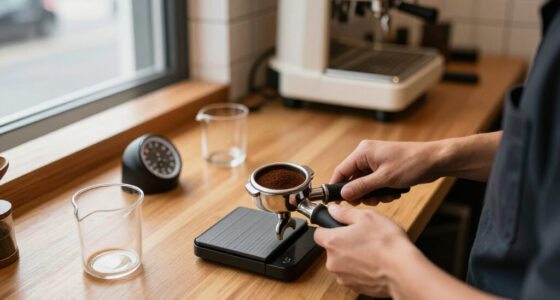
Measures dose and yield in grams. Weighing both makes recipes easier to repeat and compare.
Steam wand + pitcher
The wand heats and aerates milk; the metal pitcher helps you handle and pour it. Technique shapes the texture.
The numbers behind a shot
Start with a measurable recipe, then use taste and flow to decide what to change.
Dose, yield, and brew ratio
Dose is the dry coffee in the basket. Yield is the espresso produced, measured by weight. Brew ratio relates the two. A 1:2 ratio is a starting point, not a universal rule.
Terms to read the puck
- Extraction: soluble coffee compounds dissolving into water.
- Puck: the compacted bed of coffee in the basket.
- Shot time: useful for comparing attempts alongside dose, yield, and taste.
- Pre-infusion: gentler initial wetting before full brewing pressure.
- Channeling: water finding easier paths through the puck, causing uneven extraction.
Read the shot, then adjust
Flow time offers a clue, but taste is the practical guide. Coffee age, roast, water, and recipe also affect flavor.
Understand the machine, too
Features can change temperature control and workflow. They do not replace sound grinding and puck preparation.
PID
A controller that helps hold a set temperature more consistently and makes adjustments easier.
Boiler or thermoblock
A boiler heats and stores water; a thermoblock heats water as it passes through. Warm-up and workflow vary by machine.
Pump rating
A nominal pump figure alone does not show brewing performance. Pressure at the puck and the machine’s overall design matter.
Single or multiple boilers
Single-boiler machines may need a temperature switch between brewing and steaming. Heat-exchanger and dual-boiler designs can change that workflow.
Choose the basket that fits your setup
Basket design changes how much the basket itself helps restrict flow.
| Basket type | How it works | Good to know |
|---|---|---|
| Single-wall | Relies on the coffee grind and puck preparation for resistance. | More control; consistency matters. |
| Pressurized | Adds flow restriction through the basket design. | More forgiving with pre-ground coffee; may limit flavor nuance. |
From beans to a better shot
Use the same sequence to make each attempt easier to understand.
Grind
Adjust grind size to guide flow.
Prepare
Distribute evenly and tamp level.
Measure
Weigh dose and espresso yield.
Taste + tune
Use flavor, not time alone, to guide the next adjustment.
What Does Each Part of Your Espresso Machine Do?
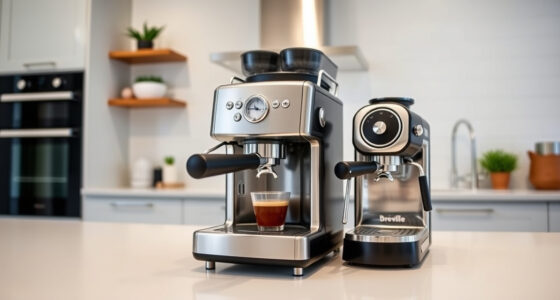
The espresso machine is the heart of your setup. It heats water, applies pressure, and pushes hot water through coffee to create that rich, crema-topped shot. Understanding each component helps you troubleshoot and fine-tune your brew.
For example, the group head distributes hot water evenly across the coffee bed, which is crucial for uniform extraction. The portafilter is your connection point, holding the coffee grounds securely and locking into the machine, affecting how pressure is applied. The steam wand is primarily for frothing milk, but it also influences heat and pressure during extraction — improper use can lead to temperature fluctuations that harm shot quality. Recognizing how these parts work together allows you to identify issues like uneven extraction or temperature instability, and adjust your technique accordingly.
As an affiliate, we earn on qualifying purchases.
The Core Equipment Terms You Must Know
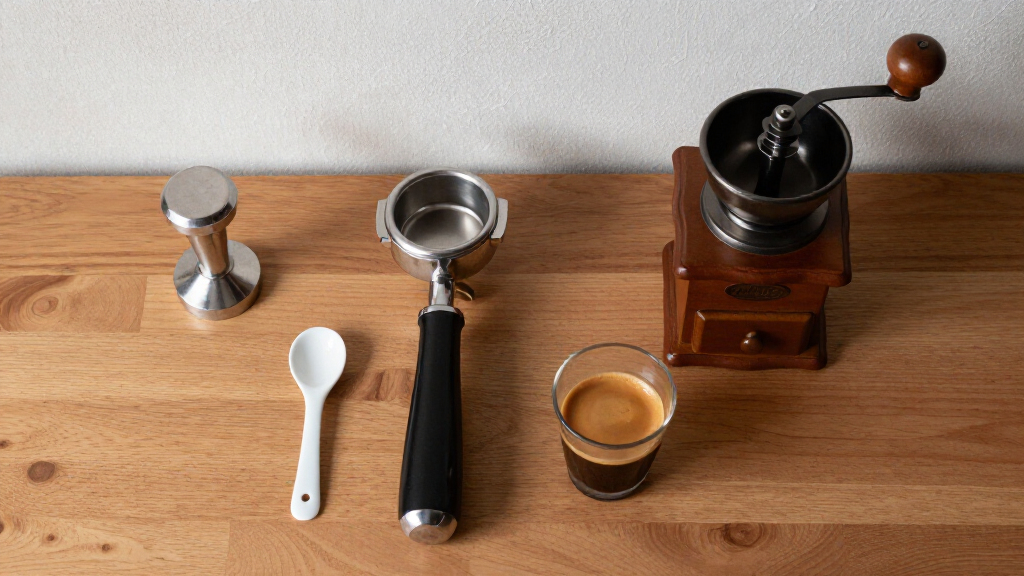
Here’s a quick rundown of the key parts that make up a typical espresso setup, with insights into why each matters:
- Espresso machine: The core device that heats water and creates pressure, turning simple water and coffee grounds into espresso. The quality and features of your machine influence shot consistency and ease of use.
- Portafilter: The handle and basket assembly that holds your coffee grounds. Its fit and design impact how evenly water flows through the coffee, affecting flavor extraction. A poorly fitting portafilter can cause leaks or uneven pressure, leading to inconsistent shots.
- Basket: The container inside the portafilter that holds coffee grounds. Single-wall baskets allow more control but require skill to avoid channeling; pressurized baskets are more forgiving but might limit flavor complexity. Choosing the right basket involves balancing ease of use with the potential for flavor nuance.
- Grinder: Converts beans into the fine, uniform grounds essential for proper extraction. The grind size directly affects flow rate and shot timing; too fine can cause over-extraction and bitter flavors, too coarse leads to under-extraction and weak taste. Investing in a good grinder and understanding its settings is crucial for controlling extraction quality.
- Tamper: Compresses the coffee evenly in the basket, creating resistance that helps water extract flavors uniformly. Improper tamping—either too hard, too soft, or uneven—can cause channeling, where water bypasses parts of the coffee puck, resulting in inconsistent flavors. Practicing consistent tamping pressure and technique is key to reliable shots.
- Scale: Measures the weight of coffee dose and output, enabling precise control over shot consistency. Small variations in dose or yield can significantly alter flavor, strength, and balance. Using a scale helps develop a repeatable process, reducing guesswork and improving results over time.
- Milk pitcher: Used for steaming and pouring milk, affecting texture and pour precision. Proper technique here complements your understanding of espresso extraction, allowing you to craft better microfoam and latte art. A good pitcher with a spout suited to your pouring style makes a noticeable difference in presentation and texture.
Mastering these terms allows you to communicate more effectively with other enthusiasts, troubleshoot issues confidently, and understand how each component influences your shot’s quality. With this knowledge, you can fine-tune your setup and produce consistently better espresso at home.
espresso portafilter and basket set
As an affiliate, we earn on qualifying purchases.
As an affiliate, we earn on qualifying purchases.
Brewing Terms That Make or Break Your Shot
These terms focus on what happens during extraction and how your coffee turns into espresso, with deeper insights into their importance:
- Dose: The precise amount of coffee used, typically in grams. The dose influences your shot’s strength and flavor profile; too much coffee can lead to over-extraction, resulting in bitter, harsh notes, while too little produces weak, underdeveloped flavors. Achieving the right dose requires balancing with grind size and tamping pressure—small adjustments here can significantly alter your shot’s character. It’s a tradeoff: a larger dose may yield a richer shot but can increase resistance, risking over-extraction if not managed carefully.
- Yield: The weight of espresso that comes out after brewing. It reflects how much liquid is extracted from your dose. Adjusting yield impacts flavor concentration and body; a lower yield (more concentrated) emphasizes depth and richness, but risking over-extraction, while a higher yield can dilute flavors, making the shot lighter but potentially less intense. Understanding the relationship between dose and yield helps you tailor shots to your taste preferences and the beans’ characteristics.
- Brew ratio: The ratio of dose to yield, often expressed as 1:2. This ratio influences the shot’s body, clarity, and balance. A lower ratio (more concentrated, like 1:1.5) emphasizes richness and intensity, suitable for bold beans, while a higher ratio (like 1:2.5) tends to highlight brightness and acidity. Finding the optimal brew ratio involves experimenting with your beans and personal taste, and it’s a key factor in dialing in your ideal espresso profile.
- Extraction: The process of dissolving coffee compounds into water, which determines the shot’s flavor complexity. Proper extraction is essential: under-extraction (short or uneven) results in sour, weak coffee, because not enough solubles have been dissolved; over-extraction (excessive or uneven) leads to bitter, harsh flavors, as undesirable compounds are pulled out. Monitoring extraction—through timing, taste, and visual cues—guides you in adjusting grind, dose, or temperature to achieve balanced, flavorful shots.
- Shot time: The duration from start to finish of extraction, typically 25–30 seconds. While timing provides a helpful guideline, it’s more important to observe the shot’s taste, flow rate, and appearance. Rushing a shot with too coarse grind or insufficient tamping can result in under-extraction, while too fine grind or excessive tamping may cause slow flow and over-extraction. Shot time is a useful indicator but should be combined with sensory evaluation for best results.
- Channeling: When water finds paths of least resistance through the coffee, causing uneven extraction. It often results from uneven tamping, distribution, or grind inconsistencies. Recognizing channeling—such as uneven flow, spurts, or inconsistent crema—helps you identify and correct tamping or distribution techniques. Preventing channeling ensures that water interacts evenly with all coffee grounds, leading to a more uniform extraction, better flavor clarity, and consistent quality across shots.
Deep understanding of these terms allows you to fine-tune your brewing variables, troubleshoot issues effectively, and consistently produce espresso that aligns with your flavor preferences. It’s about controlling the process to unlock the full potential of your beans.
As an affiliate, we earn on qualifying purchases.
How Machine Features Influence Your Coffee
Many beginners get hung up on fancy features, but understanding what they do helps you use them wisely. For example:
| Feature | What It Does | Why It Matters |
|---|---|---|
| Pump pressure | Creates the force pushing water through coffee. | Higher isn’t always better. Real brewing pressure is about how it’s managed at the puck. Excessive pressure can cause over-extraction, making the coffee bitter or harsh, while insufficient pressure results in weak, under-extracted shots. Proper pressure management ensures your espresso extracts the right flavors without bitterness or sourness. |
| PID | Maintains stable temperature during extraction. | Consistent temperature is crucial because even slight fluctuations can cause significant changes in flavor—sourness if too low, bitterness if too high. A PID helps maintain a steady temperature, giving you more control and consistency across shots, especially with temperature-sensitive beans. |
| Boiler vs. Thermoblock | Heats water either in a tank or on-demand. | Boilers provide stable, precise temperatures ideal for espresso, but take longer to heat up initially. Thermoblocks heat quickly, making them convenient for short sessions but often less stable, which can cause temperature swings affecting shot quality. Your choice influences your workflow and shot consistency—consider your priorities. |
Understanding these features helps you select a machine suited to your skill level and brewing aspirations, and guides you in optimizing performance for better, more consistent espresso.
As an affiliate, we earn on qualifying purchases.
Practical Tips to Master Your Setup Terms Fast
Here’s a step-by-step plan to get comfortable with the basics:
- Identify each part on your machine: group head, portafilter, steam wand, grinder. Understanding their functions helps you troubleshoot and optimize your workflow.
- Practice dosing and tamping. Use a scale to see how much coffee you use and how it affects flow. Consistent dosing and tamping create a stable foundation for extraction, reducing variables that can cause inconsistency.
- Adjust grind size based on shot time and taste. Finer grounds slow down extraction, producing richer shots; coarser grounds speed it up for lighter flavors. Systematic experimentation helps you find the balance where your shot flows properly and tastes optimal.
- Measure yield and shot time. Record your results to identify patterns. Small adjustments can lead to significant improvements in flavor, strength, and consistency over time.
- Experiment with brew ratio: start at 1:2 and tweak for flavor balance. Recognize that different beans and roasts may require different ratios for optimal taste. This iterative process helps you understand how each change affects the overall profile.
Consistency comes from understanding your equipment and how each term impacts the final shot. Regular practice and mindful adjustments will develop your intuition and mastery of your setup.
Frequently Asked Questions
Do I really need to learn all these terms before brewing?
Not all at once. Start with the basics like portafilter, basket, and dose. As you gain experience, understanding more terms like yield and extraction will help refine your skills.
Can I make good espresso without a fancy machine?
Absolutely. Many home setups with a simple machine, a good grinder, and a scale produce excellent shots. Focus on mastering the basics first.
What’s the most common mistake beginners make?
Overlooking the importance of dose and grind size. Small adjustments here have the biggest impact on flavor and extraction. Take notes and experiment patiently.
How long does it take to understand these terms?
With regular practice, most beginners start feeling comfortable after a few weeks. Keep practicing and keep notes to see your progress.
Conclusion
Knowing the core terms of your espresso setup empowers you to take control of your brewing. It’s like learning the language of a new craft — suddenly, everything makes more sense.
Remember, each component and term plays a role in the flavor and consistency of your shot. Focus on understanding these basics, and you’ll brew with confidence in no time.
Fall Picks
fall essentials
As an affiliate, we earn on qualifying purchases.