
TL;DR

Get coffee and tea gear delivered free with Prime
- Fast, free delivery on millions of items
- Prime Video, Amazon Music and more included
- Member-only deals all year
Grocers are developing products, tours and nutrition programs for customers using GLP-1 medications, while some are also planning for shoppers who stop treatment. NielsenIQ’s Sherry Frey said grocery habits largely converge toward non-user norms six to 11 months after stopping; the long-term effect of specific retailer programs is not yet established.
Grocers are expanding support for shoppers using GLP-1 medications, while some are beginning to plan for what happens when those customers stop treatment. Food Dive reports that Hy-Vee has built a six-week nutrition course around habits intended to last beyond medication use, as research cited by NielsenIQ indicates that grocery behavior can move back toward non-user patterns within six to 11 months after stopping.
Retailers have responded to GLP-1 use with store tours, wellness kits and protein-focused products. The Giant Company recently offered tours to help customers find foods that pair with weight-management medications, ShopRite launched wellness kits for people new to GLP-1s, and Costco added more protein-focused products to its private-label line, according to Food Dive.
Hy-Vee’s approach includes a six-week, self-guided online course introduced in July. The program includes video modules, personalized goal setting and one-on-one check-ins with a registered dietitian. Its lessons cover hydration, smaller and more frequent meals, and meal preparation—practices the company says participants can continue after treatment.
The business case is substantial but not uniform. Numerator’s August GLP-1 usage tracker estimated that the cohort accounts for more than $660 billion in spending across consumer packaged goods, general merchandise and quick-service restaurants. Numerator also found that spending by these households declined nearly 4% compared with similar non-user households after one year. The source does not specify that this figure represents grocery spending alone.
Keeping Healthy Habits After Treatment
The challenge for retailers is not only to meet current demand for protein-, fiber- and nutrient-rich foods, but to remain useful if customers’ needs shift after medication ends. If shopping patterns change over time, products or promotions designed only for people actively taking GLP-1s may not retain those shoppers.
Food Dive reports that NielsenIQ’s Sherry Frey recommends merchandising protein and fiber products together, highlighting nutrient benefits, offering balanced meal solutions and using loyalty programs to personalize suggestions. These are recommendations, not evidence that a particular strategy has already improved retention or health outcomes. For shoppers, the issue is whether retailers can make practical food choices and nutrition guidance available through different stages of treatment.
Products Worth Considering
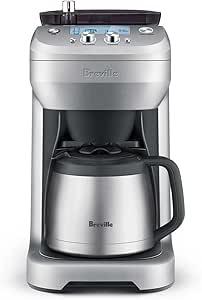
Breville Grind Control BDC650BSS Thermal Carafe Coffee Maker – Brushed Stainless Steel

Vitamix 5200 Professional-Grade Blender, 64 oz. Container, Black

Instant Pot Vortex Plus 6-Quart Air Fryer
As an affiliate, we earn on qualifying purchases.
Retailers Respond to GLP-1 Shopping
GLP-1 medicines used for weight management have been associated with changes in shopping baskets. Numerator’s August tracker described a shift away from some pantry staples and carbohydrate-focused goods toward protein- and fiber-rich foods, seafood and functional nutrition, alongside more intentional snacking.
Those shifts have prompted retailers to market wellness support, but the source distinguishes between programs aimed at current medication users and Hy-Vee’s emphasis on longer-term habits. At a September Groceryshop conference, CEO Jeremy Gosch said the company wanted its support to extend beyond a customer’s time on medication. The source does not provide enrollment figures or results for Hy-Vee’s course.
“Grocery shopping habits “largely converges back toward non-user norms” by six to 11 months after people come off GLP-1 medications.”
— Sherry Frey, NielsenIQ vice president of Total Wellness, in emailed remarks cited by Food Dive
Program Results Remain Unknown
The cited material does not report whether Hy-Vee’s course changes participants’ eating patterns, medication use, weight outcomes or loyalty to the retailer. It also does not say how many customers enrolled or whether the course will continue.
The six-to-11-month finding is a broad pattern attributed to Frey; the report does not provide study methods, sample size or a breakdown by medication, reason for stopping or individual outcome. It is also unclear how many GLP-1 users stop treatment, when they do so, and whether their shopping habits follow the same timeline. The nearly 4% spending comparison is against similar non-user households after one year, not a measure of spending after stopping medication.
Retailers Test Longer-Term Support
Grocers can be expected to continue refining GLP-1-related merchandising and nutrition services, though the source identifies no announced next milestone for Hy-Vee’s course or the other initiatives. Frey’s recommendations point to ways retailers might adapt assortment, meal solutions and loyalty offers as customer needs change.
The key measure to watch is whether grocers share evidence on participation and outcomes over time: whether customers use the programs, whether habits persist after treatment, and whether shoppers continue buying from the retailer. Until such results are available, the initiatives show an emerging response to the market, not proof that grocers are ready to meet every need after medication ends.
Key Questions
What are grocers doing for customers taking GLP-1 medications?
Examples cited by Food Dive include store tours from The Giant Company, wellness kits from ShopRite, protein-focused private-label products at Costco and nutrition education from Hy-Vee.
What does Hy-Vee’s program include?
Its six-week, self-guided online course includes video modules, personalized goals and one-on-one check-ins with a registered dietitian. Topics include hydration, smaller and more frequent meals, and meal preparation.
How long can grocery habits remain changed after stopping GLP-1s?
NielsenIQ’s Sherry Frey said habits largely converge toward non-user norms by six to 11 months after stopping. That is a reported general pattern; the source does not say it applies to every person.
Has Hy-Vee shown that its course works?
The source describes the course but provides no enrollment data or measured results on eating habits, health outcomes or customer retention.
Source: fooddive.com