
TL;DR

Get coffee and tea gear delivered free with Prime
- Fast, free delivery on millions of items
- Prime Video, Amazon Music and more included
- Member-only deals all year
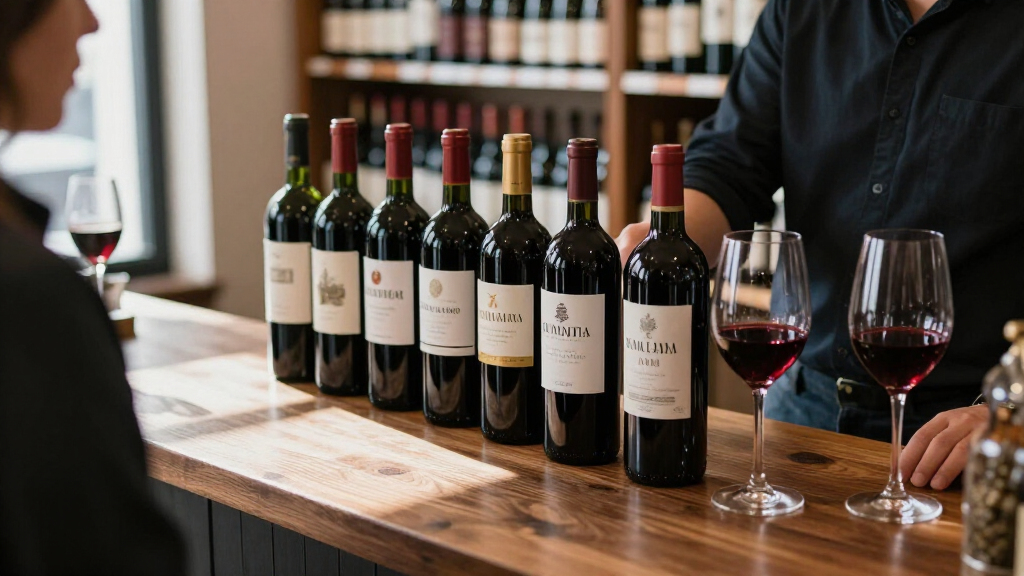
VinePair’s guide presents eight Bordeaux producers as entry points to the region, spanning classified estates, different appellations and both red and white wines. It highlights varied approaches to viticulture and winemaking, along with second labels and other less expensive bottles; prices cited in the report vary by wine and vintage.
VinePair has profiled eight Bordeaux producers for readers looking to get to know the region, pairing historic classified estates with growers and winemakers using different approaches, including biodynamic farming and amphora aging. The guide also points to second labels and entry-level wines as ways to explore Bordeaux beyond its most expensive bottles.
The list covers properties across Bordeaux’s Left and Right Banks and includes estates known for red wine as well as producers with notable white-wine offerings. VinePair describes Château Troplong Mondot, a St. Émilion Premier Grand Cru Classé founded in 1700, as a Merlot-led estate. It also notes the winery’s B Corp certification and its stated goals to halve carbon emissions by 2030 and reach net zero by 2050. The report says the Grand Vin can cost $120 or more depending on vintage, while the second label, Mondot, offers a less expensive option.
Other estates illustrate different regional styles and methods. In Margaux, Second Growth Château Durfort-Vivens uses amphoras rather than oak in its cellar, according to VinePair, and experiments with single-vineyard wines. Pauillac’s Château Pontet-Canet, a Fifth Growth, is presented as a biodynamic leader: the Tesseron family began converting the estate to biodynamic farming in the 1990s. In St. Julien, Château Lagrange produces several red and white wines at different prices; after Keizo Saji bought the estate in 1983, it was extensively restored and its vineyard divided into 103 plots.
The guide also features Château Malartic-Lagravière in Pessac-Léognan, one of six estates VinePair says was classified for both red and white wines in the 1953 Graves Classification. The report highlights its Sauvignon Blanc and Semillon plantings and cites a price of about $90 for the flagship white. Its other entries are First Growth Château Haut-Brion, St. Émilion’s Château Angélus, and the range of wines associated with both estates. VinePair says Haut-Brion’s Grand Vin red can cost $450 or more depending on vintage, compared with about $23 for Clarendelle, a more affordable line created by its parent company, Domaine Clarence Dillon. Angélus also makes second and third wines below the price of its Grand Vin.
Eight Estates, Many Bordeaux Styles
The guide’s value for newcomers is its emphasis on variety rather than a single Bordeaux template. Its selections introduce readers to different appellations, grape blends, vineyard practices and cellar choices. The examples range from Merlot-led Right Bank wines to Cabernet-focused Left Bank reds, alongside white wines from Pessac-Léognan and estates such as Malartic-Lagravière.
It also draws attention to how a producer’s reputation and top wine price do not describe every bottle it makes. Second and third labels can give consumers a lower-cost way to explore an estate, though the guide’s price examples show that “more affordable” is relative: Angélus’s second wine, Le Carillon de l’Angélus, is listed at an average of about $150. For readers, the practical takeaway is to compare individual wines and vintages, not assume every bottle from a renowned château costs the same.
Products Worth Considering

Cuisinart Portable Tabletop Propane Patio Heater, 11,000 BTU, Red

KitchenAid KF6 Fully Automatic Espresso Machine, Porcelain White

Le Creuset Enamemed Cast Iron Oval Dutch Oven, 5 qt., White/Crucible
As an affiliate, we earn on qualifying purchases.
Beyond Bordeaux’s 1855 Ranking
Bordeaux’s reputation is closely tied to the 1855 Classification, which ranked a group of estates and became an influential model for classifying wine producers. But that system does not cover every estate or capture all later changes in the region. VinePair’s list includes producers recognized in other classifications, such as the St. Émilion classification established in 1955 and the 1953 Graves Classification, as well as estates whose present-day practices are part of their appeal.
The report frames the region as a mix of long-established châteaux and newer approaches. It points to climate and social change as pressures on Bordeaux, while naming organic and biodynamic farming, sustainability targets and amphora use among developments at the featured properties. These details provide a selective overview, not a full assessment of the region or a ranking of its best producers.
““Those Classified Growths don’t reflect how dynamic and forward-thinking Bordeaux is today.””
— VinePair
Prices and Claims Need Vintage Context
The supplied report does not give a publication date, and its prices are estimates rather than fixed current retail prices. It notes that costs for several Grand Vins change by vintage; availability, market and retailer can also affect what a buyer pays. The source does not provide a consistent price comparison across all eight producers or define what counts as an affordable bottle.
Some descriptions are attributed assessments, not independently measured findings. For example, VinePair characterizes certain wines as exciting and particular producers as leaders in biodynamics, but the supplied material does not include supporting comparative data or responses from the estates. The article is a guide to selected producers, not a comprehensive account of Bordeaux or an assessment of every winery’s environmental record.
Compare Bottles by Producer
VinePair’s article does not announce a future event or provide a schedule for follow-up coverage. Readers using the guide can look up current releases from the named estates, check the vintage and bottle size, and compare an estate’s Grand Vin with its second or third label. For wine prices and availability, retailer listings and producer information will be more current than the estimates in the report.
Anyone considering a bottle should also check the blend and appellation: the eight producers make different styles, and the list includes both red and white wines. The source does not say whether these eight will remain the publication’s recommended entry points or whether its price figures will be updated.
Key Questions
Which Bordeaux producers does the guide cover?
VinePair names Château Troplong Mondot, Château Malartic-Lagravière, Château Durfort-Vivens, Château Pontet-Canet, Château Lagrange, Château Haut-Brion and Château Angélus. The supplied source says the list contains eight producers but provides details for seven named estates; it does not identify an eighth in the material provided.
Does the article rank the producers?
No. It presents the estates as producers to know for exploring Bordeaux, not as a ranked list or a definitive measure of quality.
Are the prices in the guide current?
The source gives approximate prices and says some Grand Vin prices vary by vintage. It does not specify a date or guarantee that the figures match current retailer listings, so buyers should check current prices and availability.
What makes the estates different from one another?
The examples include different appellations, grape blends and production choices. VinePair highlights amphora aging at Durfort-Vivens, biodynamic farming at Pontet-Canet, and both red and white wines from estates including Malartic-Lagravière and Lagrange.
Source: rss