TL;DR

Get coffee and tea gear delivered free — and shop member deals
- Fast, free delivery on millions of items
- Access to Prime Big Deal Days deals on October 6–7
- Prime Video, Amazon Music and more included
Choked espresso is a shot where water struggles to pass through the coffee bed, often because the grind is too fine, the basket is overfilled, puck preparation is uneven, or equipment is blocked. Check water flow without coffee, confirm the basket dose, then adjust grind in small steps while keeping dose and yield steady. Use taste and repeatable results—not shot time alone—to judge the fix.
Your espresso machine starts with a low hiss, then the first dark drops take so long to fall that you wonder whether anything is happening. That slow or stalled shot is often called a choked espresso: water is struggling to pass through the coffee bed because resistance has become too high.
The fix is rarely as simple as tamping less or waiting longer. Grind size, dose, puck structure, basket cleanliness, and machine flow all affect how water moves, and several problems can look alike in the cup. A shot that barely drips may have a puck problem—or a blocked basket.
This guide shows you how to tell those causes apart, make one useful adjustment at a time, and judge the result by both flow and flavor. You’ll also learn why a very slow shot can taste sour and bitter at once, and why a 30-second target cannot diagnose espresso by itself.
If espresso barely drips, check water flow without coffee before changing the grinder.
A too-fine grind is a common cause of choking, but an oversized dose, uneven puck, or blocked basket can produce similar symptoms.
Adjust one variable at a time; keep dose and yield steady while testing a small coarser grind change.
A slow shot can taste both sour and harsh when water moves unevenly through the puck.
Use shot time as a clue, then judge the result by flow, taste, and whether you can repeat it.
Espresso field guide · Flow & extraction
The Flow Restriction Problem Behind Choked Espresso
When a shot barely drips, water is meeting too much resistance somewhere in the system. Trace the restriction, change one variable at a time, and let flow and flavor guide the fix.
01 / Read the symptom
What “choked” means in the cup
Choking describes restricted flow: water moves unusually slowly or stops because resistance in the puck, basket, or machine is too high.
Few drops, thin thread
The machine runs, but little espresso reaches the cup. Compare it with your usual flow instead of relying on a universal time cutoff.
Resistance is uneven
Water may struggle through most of a dense bed, then break through a weak area. A slow start followed by spurts can point to uneven paths.
Choking ≠ channeling
Choking is restricted overall flow. Channeling is water finding uneven routes. They can happen together and produce a confusing cup.
Think of a packed gravel path: water moves when gaps connect. Very fine grounds and a compact puck narrow those pathways; a few weak spots can still let water rush through.
02 / Where resistance builds
Four routes to a stalled shot
Several causes can look alike in the cup. Identify the likely source before changing your recipe.
Too fine
Fine particles create narrower pathways and sharply increase resistance. Grinder settings are not directly comparable across grinders.
Basket overfilled
Extra coffee leaves less headspace and may press the puck against the shower screen, restricting room for water to move.
Clumps or uneven distribution
Different areas can have different resistance. Water may stall, then break through a weak channel and run unevenly.
Basket, screen, or machine blocked
A dirty basket, shower screen, restricted spouts, or machine issue can imitate a coffee-bed problem. Test water flow without coffee.
Smaller, less connected spaces make it harder for water to pass through the puck.
Declump and distribute grounds evenly, then tamp consistently. Extra tamping force is rarely the useful first adjustment.
A slow shot can taste sour and harsh at once. Uneven extraction, not a simple timer problem
Why the flavors can conflict
Total flow time does not show how evenly water crossed the puck. Some areas may be poorly rinsed and taste sharp, while other areas contribute bitter, dry, or rough flavors. Letting a stalled shot run longer may add more unpleasant extraction without fixing distribution.
03 / Troubleshooting sequence
Follow the flow, one check at a time
Separate a machine restriction from a puck problem. Keep dose and target yield steady while testing a grind adjustment.
Run water without coffee
Remove the portafilter. Check that the group flows freely; clean the basket and shower screen if needed.
Confirm the dose
Use the basket’s intended range and leave enough headspace so the puck does not press against the screen.
Grind a little coarser
For a shot that barely drips, try a small step. Keep dose and target yield steady for a useful comparison.
Distribute evenly
Break up visible clumps, level the grounds, and apply a consistent tamp to a flat surface.
Record, pull, and taste
Note dose, yield, approximate time, and flavor. Change another variable only after tasting the result.
04 / Judge the result
Use time as a clue, not a verdict
A familiar, steady flow and a balanced cup are more useful than chasing one universal shot-time target.
- ✓Flow: Did the shot move more steadily than before?
- ✓Flavor: Did sweetness and balance improve, or did sharpness and harshness persist?
- ✓Repeatability: Can you get a similar result again with the same dose and yield?
- ✓Context: If the shot runs longer than your usual recipe but tastes balanced, there may be no problem to solve.
05 / Tools and evolving practice
Helpful tools still need a sound recipe
These approaches can change flow or repeatability, but none can guarantee a fix for every coffee and setup.
Puck screens & paper
May keep the shower screen cleaner or alter flow; a recipe may need adjustment.
Precision baskets
More consistent hole patterns can aid repeatability, but do not prevent an overly fine grind or high dose.
Low-flow profiling
Can help manage difficult coffees. It does not compensate for a blocked basket or unsuitable grind.
Declumping grounds
Even distribution can reduce channeling, though no technique guarantees perfectly uniform flow.
What Does Choked Espresso Mean for Your Shot?
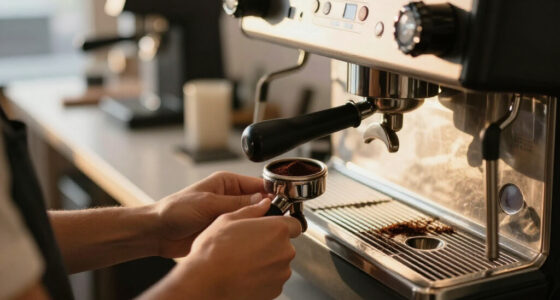
Choked espresso is a shot where water moves unusually slowly—or stops—because resistance in the coffee bed, basket, or machine is too high. A typical clue is a machine that runs normally but produces only a few drops, a thin thread, or almost no espresso in the cup.
Think of the puck like a packed gravel path. Water can pass through when the gaps connect, but finely ground coffee packs into smaller spaces than gravel, and those spaces can narrow further as water moves through the puck. If the paths are too tight, your pump cannot produce the intended flow through the coffee.
For example, imagine you usually get a steady stream and a familiar yield, but after dialing the grinder much finer, the espresso takes ages to appear. That change points toward too much resistance, especially if water flowed freely from the group before you locked in the portafilter. The practical clue is the difference from your normal shot, not a universal time cutoff.
A choked shot is not the same thing as channeling. Choking describes restricted flow; channeling describes water finding uneven routes through the puck. They can happen together: a dense puck may resist water overall while a few weak spots let water rush past parts of the coffee. That mix helps explain why one unpleasant shot can taste both sharp and harsh.
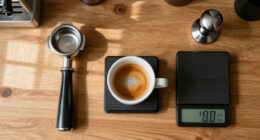
espresso machine water flow tester
As an affiliate, we earn on qualifying purchases.
As an affiliate, we earn on qualifying purchases.
Why Grind, Dose, and Puck Prep Can Block Flow
The problem behind choked espresso is usually excessive flow resistance, and grind size is often the first place to look. Fine particles create narrow pathways between grounds, so a small change on the grinder can make water struggle to pass through the puck. The effect depends on the coffee and grinder; the same numbered setting does not produce the same particle size on every machine.
An oversized dose can add another restriction. Too much coffee leaves less room in the basket and may press the puck against the shower screen as you lock in the portafilter. If your normal recipe uses 18 grams but you accidentally dose 20 grams into a basket intended for less, the extra coffee can turn a familiar setting into a slow or stalled shot.
Uneven preparation creates a different problem. Clumps, piles of grounds, and gaps can leave some parts of the puck more resistant than others. Water may slow through most of the bed, then break through a weak area and channel. You can see a similar pattern when a shot starts with a few reluctant drops and then suddenly runs faster, often with messy spurts from the spouts.
Fresh coffee and grinder output can contribute, too. Freshly roasted beans release more carbon dioxide, while some coffees or grinders produce more fine particles; either factor can affect flow, but neither automatically causes choking. Tamping is rarely the best first suspect: once you have compressed the grounds evenly, tamping harder usually changes less than grind, dose, and puck structure.
As an affiliate, we earn on qualifying purchases.
How Can a Choked Shot Taste Sour and Bitter at Once?
A slow shot is not automatically over-extracted, because total flow time does not reveal whether water passed evenly through the coffee. Extraction also depends on your dose, yield, grind, and how water spreads across the puck. If water takes a few easy paths while other areas stay dry or poorly rinsed, different parts of the same dose can contribute very different flavors.
That unevenness can create the confusing combination of sour and harsh. Coffee from under-extracted areas can taste sharp or sour, while coffee exposed to concentrated flow or prolonged contact in other areas may taste bitter, dry, or rough. It is a little like watering a garden with a kinked hose: one patch floods while another stays dusty.
Say your shot barely trickles for 45 seconds and tastes both lemon-sharp and mouth-drying. Letting it run for another 15 seconds does not reliably fix the underlying distribution; it may simply add more unpleasant extraction. Instead, note the dose and yield, make one likely correction, and taste the next shot beside the first.
Use time as a clue, not a verdict. If a shot usually flows steadily but suddenly stalls, investigate what changed. If it takes longer than a familiar recipe but tastes sweet and balanced, there may be no problem to solve. Your palate and repeatable measurements tell you more than a timer alone.
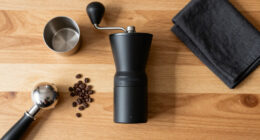
espresso grinder with grind size control
As an affiliate, we earn on qualifying purchases.
As an affiliate, we earn on qualifying purchases.
How to Troubleshoot a Slow or Stalled Shot in Order
To troubleshoot choked espresso, first check whether water flows freely without coffee, then verify dose and basket fit, and finally adjust grind in small steps. Change only one variable at a time so you can tell what helped. This order separates a machine restriction from a puck that has too much resistance.
- Run water without coffee. Remove the portafilter and check whether the group dispenses normally. Clean the basket and shower screen if flow looks weak or uneven.
- Confirm your basket dose. Use the basket’s intended range and leave enough headspace. If the puck presses hard against the shower screen, reduce the dose and test again.
- Grind a little coarser. When espresso barely drips or stalls, a small coarser adjustment is usually more useful than tamping less. Keep the dose and target yield steady for this test.
- Distribute the grounds evenly. Break up visible clumps and level the coffee before applying a consistent tamp. Look for a flat, even surface rather than a mound or hollow.
- Pull, record, and taste. Write down dose, yield, approximate time, and flavor. Adjust one variable again only after you know what the last change did.
For instance, if 18 grams of coffee produces only a few drops, check water flow first. If the machine flows freely, keep the 18-gram dose and move one small step coarser; changing dose, grind, and tamp together would leave you guessing which adjustment worked.
If the shot chokes suddenly after several normal pulls, look for a shifted grinder setting, a new bag of beans, a blocked basket, or buildup on the shower screen. A sudden change deserves a quick equipment check before you rebuild your entire recipe.
As an affiliate, we earn on qualifying purchases.
How to Tell a Coffee-Puck Problem from an Equipment Block
A coffee-puck restriction appears when the machine struggles only after you lock in coffee; an equipment restriction can also affect water flow with the portafilter removed. Compare a normal water-only flush with a shot attempt before changing your recipe. This quick check helps keep a dirty basket from being mistaken for a bad grind setting.
| What you notice | Likely place to check | Useful next move |
|---|---|---|
| Water flows normally without the portafilter, but the shot stalls | Grind, dose, or puck preparation | Keep dose steady and grind a little coarser; inspect distribution |
| Water flow looks weak even without coffee | Shower screen, group, or machine | Clean accessible parts and follow your machine’s care instructions |
| Flow changes when you switch baskets | Blocked or differently designed basket | Clean the basket holes and compare with a known-clean basket |
| The shot chokes after changing beans | Different grind response or more fines | Dial in the new coffee rather than assuming the old setting still fits |
| Espresso sputters despite a slow start | Uneven puck or channeling | Check clumps, distribution, and dose before tamping harder |
Picture a home setup that has worked all week, then suddenly produces a dribble after the basket was rinsed and put away. If the group flows normally without the basket but the shot does not, the basket may be clogged, or the coffee may be too fine. If water also runs weakly without coffee, start with the machine side of the comparison instead.
Do not poke sharp tools into machine parts or take apart components unless your manual says you can. Clean the removable basket and screen as directed, and have a service professional check persistent machine-flow problems. Separate the machine test from the coffee test before spending a morning changing every dial.
Which Espresso Tools Change Flow—and Which Do Not?
Accessories and newer machine features can change how water meets the puck, but they cannot erase every flow problem. A puck screen, paper filter, precision basket, or pressure-profile setting may affect resistance or consistency; a grind that is far too fine or a basket that is blocked can still choke. Treat each tool as a variable to test, not a guaranteed repair.
A precision basket can have a more consistent hole pattern, which may help you repeat a recipe. But it does not make every coffee flow alike. If you switch baskets and keep the exact same grinder setting, dose, and beans, the shot may behave differently because the basket itself changed the path through which water exits.
Some baristas use puck screens or paper filters to keep the shower screen cleaner or alter water contact at the puck. These additions can affect flow, so you may need to adjust your recipe after adding one. Try a screen with the rest of your setup held steady; if the shot slows, return to your usual grind or make a small controlled adjustment rather than changing several things at once.
Low-flow and pressure-profiling machines let you change how quickly pressure or water reaches the coffee. That control can help with certain coffees and recipes, but it does not clear a blocked basket or make an unsuitable grind appropriate. Grinder particle distribution matters as well: two grinders at similar settings can produce different amounts of fines, which is why a setting from a friend’s setup may give you a very different flow.
How to Decide Whether the Next Shot Is Actually Better
The next shot is better when flow is steadier and the cup tastes more balanced, not simply when it lands on a preferred number of seconds. Keep the dose and yield consistent while you test a grind adjustment, and record enough detail to repeat a good result. Your routine becomes much easier when you can tell a real improvement from a lucky pull.
For example, write down “18 grams in, 36 grams out, coarse adjustment, steady stream, less harsh.” That note tells you more than “espresso took 32 seconds,” because it links a change to what you saw and tasted. If the shot runs smoothly but tastes thin and sour, you may have moved too far or changed more than one factor.
Keep a small log beside the grinder for a few days, especially when you open a new bag. Record coffee, dose, yield, grinder adjustment, time, and a short flavor note. Beans change as they age, so a recipe that worked on Monday may need a small correction later in the week.
Consistency does not mean every shot needs the same clock time. Basket design, machine behavior, grinder, coffee, and personal taste all affect the useful range. The goal is a repeatable process that produces espresso you enjoy, with enough notes to understand why an adjustment worked instead of relying on memory and guesswork.
Frequently Asked Questions
Is a 30-second espresso shot choked?
Not by time alone. A shot is more likely choked if it takes much longer than your usual pull, barely drips, or stalls. Compare its flow and taste with your normal recipe rather than treating 30 seconds as a universal cutoff.
Should I tamp less firmly if my shot is choking?
Usually, no. Focus first on grind size, dose, and even distribution; a consistent tamp matters more than pressing with extreme force. If the puck is already evenly compressed, tamping harder is unlikely to solve a grind or basket problem.
Can fresh beans make espresso choke?
Fresh beans can affect flow because they release more carbon dioxide, but freshness alone does not prove why a shot stalled. Check grind, dose, puck preparation, and basket cleanliness as well, especially if the problem continues.
Will a puck screen fix a choked shot?
A puck screen can affect water contact and help keep the shower screen cleaner, but it is not a general cure. If your grind is too fine, your dose is too high, or the basket is blocked, the shot can still choke.
Is choking the same as channeling?
No. Choking means water flow is heavily restricted; channeling means water takes uneven paths through the puck. Both can happen in one shot if a resistant puck has weak spots that let water bypass other areas.
Why does my espresso still choke after I grind coarser?
Check whether the dose is too large, the basket or shower screen is blocked, or the grinder is actually changing particle size as expected. A different bag of coffee or a grinder that produces more fines can also change flow, so test one cause at a time.
Conclusion
When espresso chokes, treat it as a flow-resistance problem, not a cue to tamp harder or wait forever. Check the machine, confirm the dose, and make one small grind adjustment before judging the next shot by how it flows and tastes.
A good espresso stream should look less like water fighting through a blocked drain and more like warm honey falling in a steady ribbon. Follow the clues, make one change, and let the cup tell you what happened.
Halloween Picks
halloween
As an affiliate, we earn on qualifying purchases.