
TL;DR

Get coffee and tea gear delivered free with Prime
- Fast, free delivery on millions of items
- Prime Video, Amazon Music and more included
- Member-only deals all year
Shaking espresso with ice pulls air into the liquid, chills it quickly, and melts some of the ice, creating a lighter texture and a temporary layer of fine foam. Fresh espresso, ice size, shake time, and syrup all affect how that foam looks and how diluted the drink tastes. Shake briefly for a stronger drink or longer for a colder, softer one.
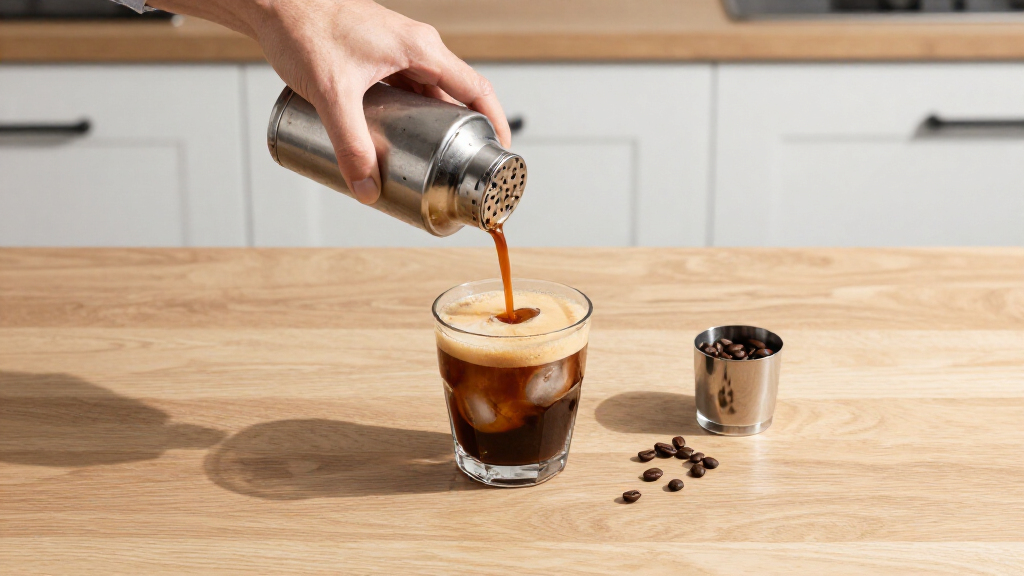
A shaken espresso can look like it came from a tiny café machine: dark coffee below, a pale layer of foam above, and a cold glass beaded with condensation. That airy cap doesn’t come from a special espresso shot. It comes from air, ice, and movement.
When you shake espresso with ice, you chill it quickly, melt a little of the ice, and pull air into the liquid. Those changes can make the drink feel lighter and smoother than espresso poured straight over ice. The foam is temporary, though, and the exact result depends on your coffee and technique.
This guide explains why air changes texture, how ice and syrup influence the cup, and how to shake espresso at home without turning it watery. You’ll also learn what to expect from the foam—and why it fades while you’re still deciding whether to take a photo.
Shaking espresso with ice mixes in air, chills the coffee, and adds meltwater, creating a lighter texture and temporary foam.
Start with a 10 to 15 second shake, then shorten it if the drink tastes watery or extend it slightly if you want more chill.
Large solid cubes usually melt more slowly than small or cracked ice, giving you more control over dilution.
Freshly pulled espresso may make a more visible foam, but the cap fades and doesn’t measure espresso quality.
Add syrup before shaking for an even mix; check milk and syrup labels for common allergens.
Coffee technique · Texture, decoded
The Shaken Espresso Method: Why Air Changes Texture
A short, vigorous shake chills espresso, mixes in air, and melts a little ice. Together, those changes create a lighter mouthfeel and a fleeting cap of fine foam.
01 / The mechanics
One shake. Three changes in the glass.
Turbulence draws air into the coffee while ice cools it and contributes water. The balance determines whether the drink feels lively or watered down.
Air forms the cap
Rapid movement traps small bubbles in the espresso. They gather at the surface as a thin foam that makes each sip feel buoyant.
Ice drops the temperature
Shaking chills espresso quickly. A colder drink can taste rounder and less sharp than a hot shot poured straight over ice.
Meltwater softens the shot
Some ice melts during the shake. A little can smooth intensity; too much can thin the coffee and mute its character.
02 / A repeatable starting method
Shake for foam without over-diluting.
Use timing as a starting point, then adjust the next drink by taste. Ice size, shaker temperature, and batch size all affect the result.
Brew
Pull a double espresso and pour it into a clean shaker.
Sweeten
Add syrup now, if using. Shaking helps distribute it evenly.
Add ice
Use plenty of solid cubes, leaving room for liquid and movement.
Shake & serve
Seal firmly and shake hard for 10–15 seconds. Strain into a glass.
Adjust by taste: A watery finish calls for a shorter shake or larger cubes. If the drink feels warm or heavy, shake a little longer. Keep the lid secure and pointed away from your face.
03 / Tune the texture
Ice and time set the tradeoff.
More surface area chills quickly but melts readily. More shaking can add aeration and chill while increasing dilution.
Relative melt pace
Smaller or cracked pieces expose more surface area. Large solid cubes usually give you more control over dilution.
What longer shaking tends to do
A longer shake often brings more cooling and aeration, with more meltwater. These are tendencies, not fixed measurements.
04 / What changes the foam
Crema helps. It cannot hold the bubbles forever.
Freshly pulled espresso may form a more noticeable tan layer, but foam varies with the coffee and technique. Its appearance is not a measure of espresso quality.
| Choice | Likely result | Try it when |
|---|---|---|
| Fresh espresso | Crema may help bubbles form | You want a more visible foam cap |
| Large, solid cubes | Slower melt and more dilution control | You want a coffee-forward drink |
| Small or cracked ice | Fast chilling and quicker dilution | You want a very cold, softer drink |
| Syrup before shaking | Evenly mixed sweetness; body may shift | You want sweetness throughout |
| Strain into a glass | Ice leaves; much of the foam remains | You want a distinct foam layer |
Bubbles drain and collapse over time. Larger bubbles tend to disappear first; smaller ones may linger briefly. Milk or cream adds its own texture, and labels can help you check for allergens.
05 / The texture pathway
From shaker turbulence to a lighter sip.
The cup looks layered for a moment, then the bubbles fade. That temporary contrast is part of the method.
Think of whisking a vinaigrette: movement changes how the ingredients come together, even though the ingredients themselves have not changed. Shaking gives espresso a different serving experience, while the beans and brewing still set its underlying flavor.
06 / Quick answers
Common questions, clearly shaken.
The basic method needs only espresso, ice, and a secure container with room to move.
Does shaking change the taste?
Yes. Cooling and dilution can make coffee less concentrated, while aeration can make its texture feel lighter.
Does shaking add caffeine?
No. It changes temperature, dilution, and texture after brewing; it does not increase caffeine.
Can I shake hot espresso with ice?
Yes. Use a secure shaker with headroom. The drink chills quickly, and longer shaking generally means more dilution.
Why does the foam disappear?
Foam is made of bubbles that drain and collapse. Time, older espresso, and gentle shaking can make it less noticeable.
Do I need a cocktail shaker?
No. A tightly sealed jar can work. Leave room for liquid and ice, check the lid, and open it carefully.
Is it an iced Americano?
Not necessarily. Shaken espresso is typically espresso shaken with ice; an iced Americano includes added water. Café recipes vary.
Why Shaking Turns Espresso Light and Foamy
The Shaken Espresso Method changes texture because fast movement mixes air into espresso while ice cools and dilutes it. The added air forms small bubbles that can gather into a thin foam, giving the drink a lighter feel than espresso poured over ice. In a home kitchen, you can often see the difference within seconds: a shaken shot develops a tan cap, while a poured shot stays mostly dark and flat.
Inside a shaker, the coffee and ice tumble together. That turbulence breaks the liquid into moving sheets and droplets, creating chances for air to become trapped. Fresh espresso may foam more noticeably because its crema can help bubbles form, but crema varies with the coffee and fades over time. It doesn’t guarantee a thick or lasting head.
Shaking espresso with ice also cools the drink quickly. As the ice melts, it adds water, which softens the concentrated taste. That change can make a sharp shot seem rounder; it can also make a delicate coffee taste thin if you shake too long. Think of whisking a vinaigrette: movement changes how the ingredients come together, even though the ingredients themselves haven’t changed.
The result is a kind of bittersweet tradeoff. More movement can mean more air and a livelier texture, but it can also mean more meltwater. Shaking creates a different serving experience, not a new espresso extraction. Your beans and brewing still set the coffee’s underlying flavor.
Products Worth Considering

De'Longhi COM630BK All-in-One Coffee and Espresso Machine
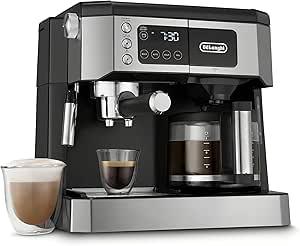
De'Longhi COM530M All-in-One Coffee and Espresso Machine, 47 oz

KitchenAid KES6503 Semi-Automatic Espresso Machine, Empire Red
As an affiliate, we earn on qualifying purchases.
How to Shake Espresso for Foam Without Over-Diluting It
To make a shaken espresso, combine fresh espresso and ice in a secure shaker, shake vigorously for about 10 to 15 seconds, and strain into a glass. That short shake usually chills the drink while creating a visible layer of foam, though ice size and shaker temperature affect the result. Try this starting method with a double shot and adjust the timing after you taste it.
- Brew a double espresso and pour it into a shaker. If you want syrup, add it now so the shaking distributes it evenly.
- Add plenty of solid ice, leaving room for the liquid and cubes to move. A shaker packed to the rim can be harder to seal and shake safely.
- Seal the shaker firmly, then shake hard for 10 to 15 seconds. Hold the lid in place and keep the shaker pointed away from your face.
- Strain into a glass for a foam-topped drink, or pour over fresh ice if you prefer a colder serve with less separation between the foam and the liquid.
- Taste and adjust next time. If the drink seems watery, shorten the shake or use larger cubes; if it tastes warm or heavy, shake a little longer.
For example, if you pull espresso while your toast browns, a 10-second shake can produce a cold drink by the time breakfast is ready. Start with a small amount of syrup—or none—so you can taste what the coffee and aeration contribute. Treat the timing as a useful starting point, not a universal rule.
A tightly sealed jar can work if you don’t own a cocktail shaker, but leave headroom for the ice and liquid. Check that its lid is secure before shaking, and open it carefully afterward. The movement creates pressure and splashes are easy to send across the counter.
How Ice Size and Shake Time Change Every Sip
Ice size and shake time affect a shaken espresso by controlling how quickly the drink cools and how much water enters it. Smaller ice pieces chill and dilute quickly, while large, solid cubes tend to melt more slowly. The practical result: the same coffee can taste crisp and concentrated after a short shake, then softer and more diluted after extra time.
Imagine using crushed ice left in the freezer from yesterday’s lemonade. It has plenty of exposed surface, so it cools the espresso fast and melts readily as you shake. That can work if you want a very cold, mellow drink, but it’s easy to lose the espresso’s punch. With sturdy cubes, you may need a little more shaking to get the temperature and foam you want.
Ice does more than chill it: it changes the drink’s texture by helping break the liquid into tiny droplets during the shake. The fine dispersion and the air you mix in can make the coffee feel more even and buoyant. That texture doesn’t make the drink stronger; added meltwater lowers the concentration of the espresso.
Use a simple comparison when you tune your routine: make one drink with 10 seconds of shaking and another with 20, using the same espresso and similar cubes. Taste them side by side. You’ll notice whether the longer shake gives you a welcome softness or pulls the flavor too far from the roasted, chocolatey notes you like.
| Choice | Likely result | Try it when |
|---|---|---|
| Large, solid cubes | Slower melt and more control over dilution | You want a more coffee-forward drink |
| Small or cracked ice | Fast chilling and quicker dilution | You want a very cold, softer drink |
| Short shake | Less meltwater and a firmer coffee taste | Your shot already tastes balanced |
| Longer shake | More cooling and often more aeration | Your espresso needs a gentler feel |
These are tendencies, not guarantees. A warm shaker or small batch of ice can change the pace, so let the taste guide you. If the drink finishes watery, shorten the shake or use larger cubes next time.
Why Fresh Espresso Makes a More Noticeable Foam
Freshly pulled espresso often produces a more noticeable foam in a shaken espresso because it can still carry some crema that helps bubbles form. The crema itself is temporary, and its amount varies, so fresh coffee doesn’t promise a thick, stable cap. If you shake a shot right after brewing, you’re more likely to see a tan layer than if you leave it on the counter while you finish other chores.
That layer may look creamy, but it consists of bubbles that drain and collapse with time. Larger bubbles tend to disappear first, while smaller ones can linger briefly on the surface. The cup may be beautifully foamy when you strain it, then lose much of its cap as you carry it from the kitchen to the sofa.
For a practical test, pull two similar shots. Shake one right away and leave the other for several minutes before shaking it with a comparable amount of ice. You may see a difference in foam, though the coffee, temperature, and grind can all affect the outcome. It’s a useful kitchen comparison, not a promise that every espresso will behave identically.
Don’t mistake foam for flavor quality. A lively cap can feel pleasant, but it doesn’t prove the espresso is better extracted or the beans are fresher by itself. If an older shot still tastes good, shake it and enjoy the drink; just expect less visible foam. That little cap is part of the experience, not a scorecard for your coffee skills.
What Syrup and Milk Do to the Texture
Syrup changes a shaken espresso by adding sweetness and body, while milk or cream contributes its own smoothness and can soften the foam’s contrast. Add syrup before shaking if you want it evenly mixed through the drink. For a clear example, a teaspoon of vanilla syrup shaken with espresso gives you sweetness in each sip; pouring syrup into a finished glass can leave a sweeter layer near the bottom.
The exact foam depends on the ingredients and proportions. A syrup may make the drink seem fuller, but that doesn’t mean it creates a lasting cap. Milk brings a different texture and flavor, especially when you pour it over the shaken coffee. If you want to see the foam clearly, strain the espresso mixture first, then add a modest splash of cold milk and watch how the layers meet.
Many café drinks pair shaken espresso with flavored syrup and milk, but the basic method works with just coffee and ice. Try a plain version first, then add a small measure of syrup. That order helps you learn whether the coffee itself tastes balanced after chilling or needs sweetness to match your preference.
Check ingredient labels when you choose syrups, creamers, or milk alternatives: some contain milk, soy, or other common allergens. If you prepare a drink for someone else, ask about allergies and avoid shared utensils that may carry traces. Keep perishable milk refrigerated, return it to the fridge promptly, and discard it if it has been left out too long or smells off. A quick drink should still get sensible food handling.
Why the Foam Fades—and How to Serve It at Its Best
Foam fades because its bubbles drain and collapse, so a shaken espresso looks most airy right after you strain it. Time, warmth, and the espresso’s condition all affect how long the cap stays visible. If you want the layered look for a morning drink, have the glass ready before you shake instead of leaving the coffee to wait beside the kettle.
Straining the mixture removes the ice while leaving much of the foam on top. Pouring it over fresh ice keeps the drink colder for longer, but fresh cubes can disturb the boundary between liquid and foam. Choose based on your priorities: a clean foamy surface for a short sit, or a longer-lasting cold serve with ice in the glass.
Picture a drink you make before a 9 a.m. video call. If the foam matters, shake, strain, and take your first sip right away. If you want to nurse it through the call, serve it over fresh ice and accept that the cap may flatten as the cubes melt.
Foam is part of the moment, not a permanent topping. Even a fading cap can leave the drink’s texture pleasantly light for the first few sips. The satisfying contrast comes from catching that brief change in the cup—like the last crisp note in a piece of toast before the butter melts.
Which Espresso Drink You’re Making After the Shake
A shaken espresso is generally espresso shaken with ice, sometimes with syrup; an iced Americano includes added water, though café recipes and names vary. That distinction matters when you’re choosing what to make: shaking changes temperature and texture, while water changes the drink’s proportions and concentration. If you like the snap of espresso softened by a little meltwater, you may not need to add extra water at all.
For example, if you order an iced Americano because you want a longer, lighter coffee, a double shot shaken with ice may taste more concentrated, even after some ice melts. Add water if you want the longer drink, and taste as you go. Café labels can be inconsistent, so ask how a particular shop prepares its version if you’re trying to match it at home.
The method also doesn’t change caffeine content. A shot contains the caffeine it had when brewed; shaking only changes the drink’s temperature, dilution, and texture. The amount you consume depends on how many shots you use, not on how vigorously you shake them.
Choose the method for the cup you want: shake espresso for a brisk, airy drink; add water for an Americano-style serve; add milk for a softer, creamier one. Those choices can overlap, and there’s no single café naming rule used everywhere. Start with the flavor you want in the glass, then adjust one ingredient at a time.
Frequently Asked Questions
Does shaking espresso make it taste different?
Yes. Shaking cools and dilutes espresso, which can make it taste less concentrated, while aeration makes the texture feel lighter. The change depends on the coffee, how much ice melts, and whether you add syrup or milk.
Why does my shaken espresso foam disappear so quickly?
The foam is made of bubbles that drain and collapse, with larger bubbles usually disappearing first. Older espresso, a warm drink, a gentle shake, and time can all make the cap less noticeable. Strain and serve right after shaking for the clearest layer.
Can I shake hot espresso with ice?
Yes. Put the espresso and ice in a secure shaker with room for them to move, then hold the lid firmly as you shake. The ice will melt as the coffee cools, so a longer shake can leave you with more dilution.
Should I add syrup before or after shaking?
Add syrup before shaking if you want it mixed evenly throughout the espresso. A small amount can add sweetness and body, and it may change how the foam looks. Start with less than you think you need, then adjust the next drink.
Does shaking espresso add caffeine?
No. Shaking changes the coffee’s temperature, texture, and dilution, but it doesn’t add caffeine. The number of espresso shots you brew determines the drink’s coffee content.
Conclusion
Remember the three changes behind the cup: air lightens the feel, ice chills the coffee, and melting ice softens the taste. Start with a brief shake and solid cubes, then adjust the timing until the drink lands where you like it.
That foam won’t wait forever. Pour it, take a sip, and enjoy the little cloud above your coffee while it’s still there.