
TL;DR

Get coffee and tea gear delivered free — and shop member deals
- Fast, free delivery on millions of items
- Access to Prime Big Deal Days deals on October 6–7
- Prime Video, Amazon Music and more included
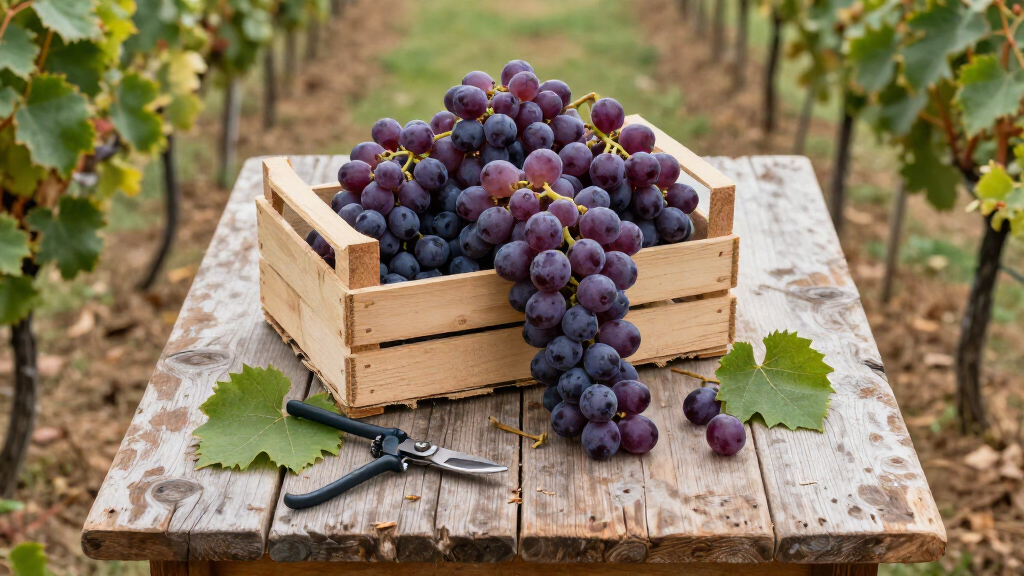
About half of California’s wine grape crop entered the 2026 harvest season without buyer contracts, according to Allied Grape Growers. Falling wine sales and low grape prices are leaving farmers to choose between harvesting at a loss, leaving fruit on the vine or removing vineyards.
Many California grape growers entered the 2026 harvest season without buyers for their crop, as declining wine sales push grape prices down and leave some farmers weighing losses against removing vineyards. Allied Grape Growers president Jeff Bitter said about half of the state’s wine grape crop began the season without contracts, compared with 70% to 80% of crops in a typical year.
Growers are deciding whether to harvest grapes they may not be able to sell, leave ripe fruit on the vines or pull out vineyards and plant crops such as almonds, walnuts, pistachios and olives. Some uncontracted grapes may be sold at a loss for processing into concentrated syrup, but Bitter said the market remains too weak for many growers to farm profitably.
Third-generation grower Bill Berryhill said he has no buyers for grapes from 200 of the 500 acres he farms near Lodi. He plans to remove 50 acres of vineyards after the harvest. Berryhill said the farm has lost money for three years and expects another loss this year, though the amount is uncertain.
California growers have removed or stopped actively farming wine grapes on roughly one-quarter of the state’s vineyard land, Bitter said. He said that even after substantial removals in recent years, supply still exceeds demand. The downturn also affects field workers and nearby businesses, according to Kyle Collins, an operations manager with Allied Grape Growers.
Unsold Grapes Reach Farm Workers
The shortfall in buyers puts pressure on growers’ income and on the workers and businesses that rely on vineyard activity. Collins said unsold fruit and reduced production mean less money reaches farm laborers, creating a ripple through local economies.
The choices facing growers can reshape agricultural land for years. Removing vines may reduce grape supply, but it also ends production on those acres and may change what crops are grown in California’s wine regions. The source report does not quantify the resulting job or income losses.
Top picks for "california farmer struggl"
As an affiliate, we earn on qualifying purchases.
From Pandemic Peak to Pullback
U.S. wine sales rose during the pandemic, peaking in 2021 as people stocked up while restaurants were closed and social gatherings were restricted. They have since fallen. First Citizens Bank’s annual wine industry report says U.S. case sales declined 23%, from 427 million in 2020 to 329 million in 2025; total spending fell 22%, from $94 billion to $74 billion over the same period.
Wine is also facing changing tastes and competition from beer, spirits, canned cocktails and cannabis. The report attributes lower consumption in part to younger adults drinking less for health and financial reasons, while older customers are aging out of the market. Globally, the International Organization of Vine and Wine reported consumption fell 2.7% in 2025 from 2024 and 14% from 2018.
California produces more than 80% of U.S. wine, according to the source report. Its growers cannot easily rely on exports to absorb surplus grapes: Bitter said global demand is down and U.S. production costs make competing with countries such as Argentina and Australia difficult.
“The market is just so depressed that it’s difficult to grow them profitably.”
— Jeff Bitter, president of Allied Grape Growers
How Much Fruit Will Be Lost
The source report does not establish how many grapes will ultimately be harvested, left on vines or sold for processing during the 2026 season. Berryhill said he expects to lose money, but not how much. It is also unclear how many additional growers will remove vineyards after harvest or whether wine demand will continue to fall at the expected pace.
Growers Weigh Postharvest Decisions
As the harvest continues, growers will determine which contracted and uncontracted fruit can be sold and whether harvesting the rest makes financial sense. Berryhill plans to remove 50 acres after the season. The source report gives no timeline for a market recovery or a forecast for grape prices, leaving growers to make planting and investment decisions amid continued uncertainty.
Key Questions
How many California wine grapes lack buyers?
Allied Grape Growers president Jeff Bitter said about half of the state’s wine grape crop entered the 2026 harvest season without contracts. He compared that with 70% to 80% of crops having contracts in a typical year.
Why are grape growers struggling to sell?
Wine sales have fallen in the United States and worldwide, leaving more grapes than buyers want. The source report cites changing drinking habits, competition from other drinks, higher U.S. production costs and weak export prospects.
What options do growers have for unsold grapes?
They may harvest at a loss, leave grapes on the vine or sell them at a loss for processing into concentrated syrup if a buyer is available. Some are also removing vineyards and considering other crops.
How much have U.S. wine sales fallen?
First Citizens Bank reported that U.S. wine case sales fell 23%, from 427 million in 2020 to 329 million in 2025. Total spending fell 22%, from $94 billion to $74 billion over that period.
Source: hn
Fall Picks
fall essentials
As an affiliate, we earn on qualifying purchases.